
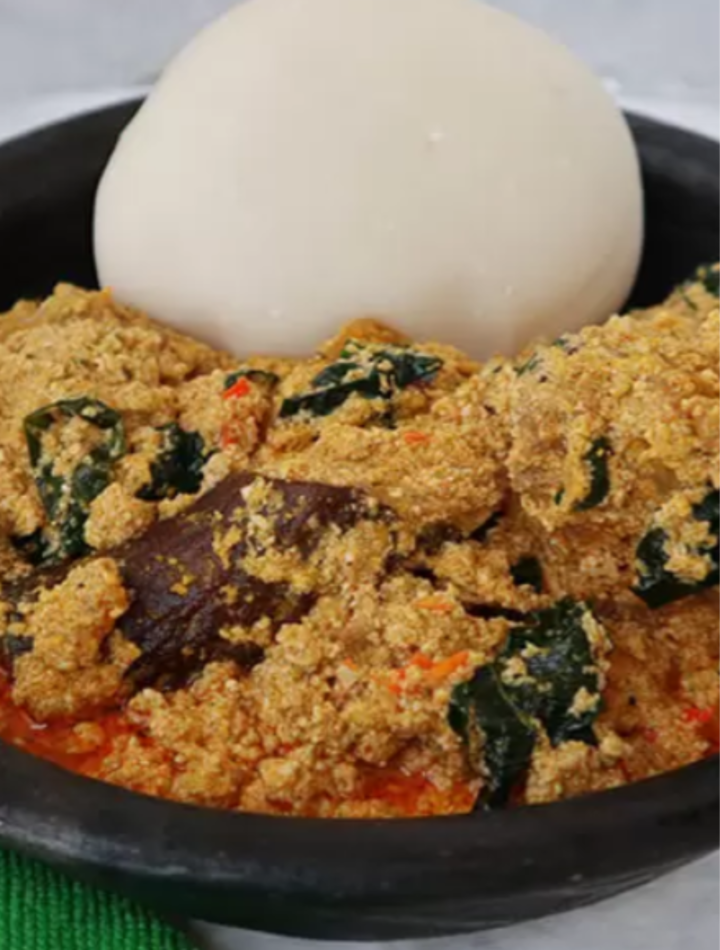
Egusi Soup: A Rich and Hearty West African Classic
Egusi Soup is one of the most beloved and iconic dishes in West African cuisine. Rich, nutty, deeply savory, and incredibly satisfying, this traditional soup is especially popular in countries like Nigeria, Ghana, and Cameroon. Known for its thick texture and bold flavor, Egusi Soup is often enjoyed with swallows such as pounded yam, fufu, eba, or semolina.
At the heart of the dish are ground egusi seeds, which come from a type of melon related to squash and pumpkin. These seeds create the soup’s signature creamy and slightly grainy texture while adding a unique nutty flavor that makes the dish unforgettable.
Egusi Soup can be prepared in many different ways depending on family traditions and regional preferences. Some versions are thick and chunky, while others are smoother and lighter. Some cooks include vegetables, assorted meats, smoked fish, or seafood for added richness. Regardless of the variation, Egusi Soup always delivers warmth, comfort, and incredible depth of flavor.
This recipe will guide you step-by-step through making a delicious homemade Egusi Soup packed with tender meat, leafy greens, aromatic spices, and the famous nutty egusi base.
Ingredients
For the Soup Base
- 2 cups ground egusi (melon seeds)
- 1/2 cup palm oil
- 1 large onion, chopped
- 3 red bell peppers
- 2 scotch bonnet peppers (adjust to taste)
- 3 medium tomatoes
- 3 cloves garlic
- 1 teaspoon fresh ginger, grated
Protein Options
- 500g beef or goat meat
- 200g tripe or cow skin (optional)
- 1 smoked fish
- 1 cup dried shrimp or crayfish
- 2 seasoning cubes
Vegetables
- 4 cups chopped spinach, bitter leaf, or ugu leaves
- 1 cup pumpkin leaves (optional)
Seasonings
- 1 teaspoon ground black pepper
- 1 teaspoon paprika
- Salt to taste
- 5 cups meat stock or water
Equipment Needed
- Large cooking pot
- Blender or food processor
- Wooden spoon
- Small bowl for mixing egusi
Step 1: Prepare the Meat and Stock
Start by washing the beef, goat meat, or assorted meats thoroughly. Place them into a large pot and season with salt, chopped onions, seasoning cubes, and black pepper.
Add enough water to cover the meat and cook over medium heat until tender. Depending on the type of meat used, this may take between 35 and 60 minutes.
The flavorful broth created during this process becomes the foundation of the soup, so do not discard it.
Once cooked, set the meat and stock aside.
Step 2: Blend the Pepper Mixture
In a blender, combine the tomatoes, red bell peppers, scotch bonnet peppers, garlic, ginger, and half of the chopped onion.
Blend until smooth.
This pepper mixture forms the aromatic base of the soup and adds color, spice, and freshness.
Step 3: Prepare the Egusi Paste
Place the ground egusi into a bowl and add a little warm water gradually while stirring.
Mix until a thick paste forms. The consistency should resemble thick peanut butter—not too watery and not too dry.
Some cooks prefer forming the egusi into small balls before adding them to the soup, while others crumble the mixture directly into the pot for a more textured finish.
Both methods are traditional and delicious.
Step 4: Fry the Pepper Base
Heat palm oil in a large pot over medium heat. Palm oil gives Egusi Soup its distinctive earthy flavor and vibrant golden color.
Allow the oil to heat gently for a few minutes, but avoid overheating or burning it.
Add the remaining chopped onions and sauté until fragrant.
Pour in the blended pepper mixture and cook for about 10–15 minutes, stirring occasionally. The sauce should thicken slightly and lose its raw tomato taste.
This frying stage is essential because it develops the deep savory flavor that defines authentic Egusi Soup.
Step 5: Add the Meat and Stock
Add the cooked meat, smoked fish, dried shrimp or crayfish, and reserved meat stock to the pot.
Stir well and allow the soup to simmer gently for 10 minutes so the flavors can combine beautifully.
The smoked fish adds a delicious smoky depth, while the crayfish contributes rich umami flavor that elevates the entire dish.
Taste the broth and adjust seasoning if needed.
Step 6: Add the Egusi
Now it is time for the star ingredient.
Reduce the heat slightly and carefully add the egusi paste into the simmering soup.
If using the ball method, scoop small portions into the soup one at a time.
If using the crumbled method, sprinkle the egusi gradually while stirring gently.
Allow the soup to simmer undisturbed for about 10 minutes so the egusi can cook properly and absorb flavor.
As it cooks, the egusi thickens the soup and develops its signature nutty richness.
Step 7: Add the Vegetables
Once the egusi has cooked and thickened the soup, stir in the chopped spinach, bitter leaf, ugu leaves, or pumpkin leaves.
Cook for another 5–7 minutes until the vegetables soften while still remaining vibrant and fresh.
Avoid overcooking the greens because they can lose their bright color and texture.
The vegetables balance the richness of the egusi and add freshness to the dish.
Step 8: Final Simmer
Allow the soup to simmer gently for a final 5 minutes.
At this stage, the flavors should be deeply developed and beautifully combined.
The finished Egusi Soup should be thick, rich, aromatic, and packed with tender meat and leafy greens.
The surface may glisten slightly from the palm oil, which is completely normal and traditional.
How to Serve Egusi Soup
Egusi Soup is traditionally served hot with a variety of West African swallow foods.
Popular choices include:
- Pounded yam
- Fufu
- Eba
- Semolina
- Amala
- Cassava fufu
To eat traditionally, pinch off a small portion of the swallow, shape it with your fingers, and dip it into the soup.
The combination of smooth swallow and rich Egusi Soup is deeply comforting and satisfying.
Tips for the Best Egusi Soup
Use Fresh Egusi
Freshly ground egusi seeds provide the best flavor and texture. Old egusi may taste bitter or stale.
Cook the Pepper Mixture Properly
Allowing the pepper base to fry thoroughly creates a richer and more authentic flavor.
Do Not Overcook the Vegetables
Leafy greens should remain slightly vibrant for the best texture and nutrition.
Use Palm Oil
Palm oil gives the soup its traditional flavor and beautiful color. Substituting other oils changes the character of the dish significantly.
Add Smoked Fish
Even a small amount of smoked fish adds incredible depth and complexity.
Delicious Variations
One of the beauties of Egusi Soup is its flexibility.
Seafood Egusi
Add shrimp, crab, or fish for a coastal-inspired version.
Vegetarian Egusi
Skip the meat and fish and use mushrooms and vegetable stock instead.
Bitter Leaf Egusi
Using bitter leaf gives the soup a slightly earthy and pleasantly bitter flavor that many people love.
Fried Egusi Method
Some cooks fry the egusi paste separately before adding liquid for a richer texture.
Nutritional Benefits
Egusi seeds are highly nutritious and packed with healthy fats, protein, vitamins, and minerals.
The soup also contains:
- Protein from meat and fish
- Iron from leafy greens
- Healthy fats from palm oil and seeds
- Fiber from vegetables
Because it is filling and nutrient-rich, Egusi Soup is often considered both comforting and nourishing.
Storage and Reheating
Egusi Soup stores exceptionally well and often tastes even better the next day.
Refrigerator
Store in an airtight container for up to 4 days.
Freezer
Freeze for up to 2 months in portion-sized containers.
Reheating
Warm gently on the stovetop over low heat or microwave in short intervals, stirring occasionally.
Add a small splash of water if the soup becomes too thick.
Why Egusi Soup Is So Special
Egusi Soup is more than just food—it is a dish deeply rooted in culture, hospitality, and tradition. Across West Africa, families gather around steaming bowls of Egusi Soup during celebrations, holidays, and everyday meals.
Its rich nutty flavor, hearty texture, and comforting warmth make it one of the most unforgettable dishes in African cuisine.
Every family has its own treasured version, passed down through generations with pride and love. Some recipes are spicy, others extra smoky, and some overflowing with seafood or vegetables. Yet all versions share the same comforting spirit that makes Egusi Soup truly timeless.
Once you try this homemade recipe, you will understand why this iconic dish continues to be loved around the world.