
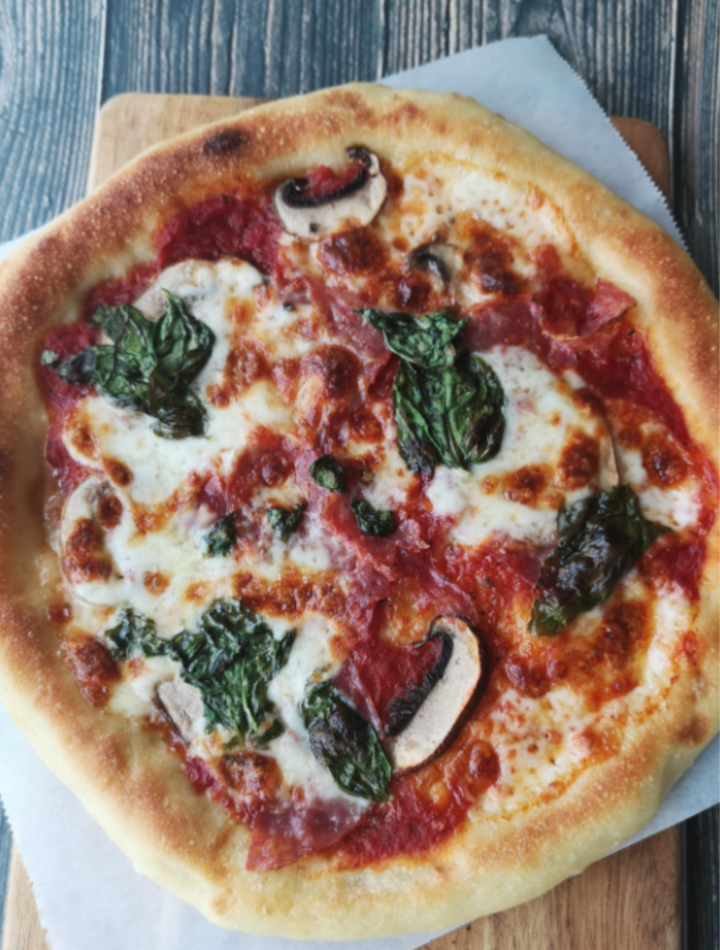
Semolina Pizza Crust Recipe
Homemade pizza becomes truly special when the crust is made from scratch, and one of the best ways to create a flavorful, crisp, and chewy crust is by using semolina flour. Semolina pizza crust has a rustic texture, beautiful golden color, and satisfying bite that makes it stand out from traditional pizza dough. Often used in Italian baking, semolina flour adds both flavor and structure, creating a crust that is crispy on the outside yet soft and airy on the inside.
Whether you are making classic Margherita pizza, loaded vegetable pizza, spicy pepperoni, or gourmet white pizza, semolina dough provides the perfect foundation. This recipe combines semolina flour with all-purpose flour to create a balanced dough that is easy to work with and deliciously chewy.
Making pizza dough from scratch may sound intimidating, but it is surprisingly simple and incredibly rewarding. Once you try homemade semolina pizza crust, it may become your favorite pizza base forever.
What is Semolina Flour?
Semolina flour is made from durum wheat, the same wheat used for many traditional pasta recipes. It has a slightly coarse texture and warm golden color.
In pizza dough, semolina flour:
- Creates a crispier crust
- Adds subtle nutty flavor
- Improves chewiness
- Helps achieve a beautiful golden finish
- Makes the dough easier to handle
Combining semolina with regular flour gives the dough elasticity while maintaining a rustic artisan texture.
Ingredients
For the Dough
- 2 cups all-purpose flour
- 1 cup fine semolina flour
- 1 teaspoon salt
- 1 teaspoon sugar
- 2 1/4 teaspoons active dry yeast
- 1 cup warm water
- 2 tablespoons olive oil
Optional for Dusting
- Extra semolina flour
- Cornmeal
Suggested Toppings
- Tomato sauce
- Mozzarella cheese
- Fresh basil
- Olive oil
- Pepperoni
- Mushrooms
- Bell peppers
- Olives
Equipment Needed
- Large mixing bowl
- Wooden spoon
- Measuring cups and spoons
- Clean work surface
- Baking tray or pizza stone
- Rolling pin (optional)
- Kitchen towel
Step 1: Activate the Yeast
In a small bowl, combine:
- Warm water
- Sugar
- Active dry yeast
Let the mixture sit for about 5–10 minutes until it becomes foamy.
This step activates the yeast and ensures your dough rises properly. The water should feel warm but not hot, around 105°F to 110°F (40°C to 43°C).
If the yeast does not foam, the yeast may be expired or the water temperature may be incorrect.
Step 2: Mix the Dry Ingredients
In a large bowl, whisk together:
- All-purpose flour
- Semolina flour
- Salt
Mixing the dry ingredients first ensures even distribution throughout the dough.
The semolina gives the dough its signature texture and flavor, while the all-purpose flour provides softness and elasticity.
Step 3: Form the Dough
Pour the yeast mixture and olive oil into the flour mixture.
Stir with a wooden spoon until a rough dough forms.
Once the dough begins coming together, transfer it to a lightly floured surface.
Knead the dough for about 8–10 minutes until smooth and elastic.
The dough should feel soft and slightly tacky but not sticky.
If needed:
- Add a little flour if too wet
- Add a small splash of water if too dry
Kneading develops gluten, which creates the chewy texture pizza crust is known for.
Step 4: First Rise
Place the dough into a lightly oiled bowl.
Cover with a clean kitchen towel or plastic wrap.
Allow the dough to rise in a warm place for about 1–1 1/2 hours, or until doubled in size.
During this time, the yeast ferments and creates air bubbles that make the crust light and airy.
A warm kitchen works best for rising dough.
Step 5: Prepare the Oven
About 30 minutes before baking, preheat your oven to its highest setting, usually around 475°F to 500°F (245°C to 260°C).
If using a pizza stone, place it in the oven while preheating.
A very hot oven helps create a crisp crust and beautifully melted toppings.
Step 6: Shape the Dough
Punch down the risen dough gently to release excess air.
Transfer it to a lightly floured surface dusted with semolina flour.
Shape the dough into your desired pizza size.
You can:
- Stretch it by hand for rustic pizza
- Use a rolling pin for a thinner crust
Semolina helps prevent sticking and adds texture to the bottom of the crust.
For a classic pizza, aim for about 12–14 inches in diameter.
Step 7: Add the Toppings
Transfer the shaped dough to a pizza peel, baking tray, or parchment paper.
Spread a thin layer of tomato sauce over the dough.
Add mozzarella cheese and your favorite toppings.
Be careful not to overload the pizza, as too many toppings can make the crust soggy.
Finish with a drizzle of olive oil for extra flavor.
Step 8: Bake the Pizza
Bake the pizza for approximately 10–15 minutes depending on thickness and oven temperature.
The pizza is ready when:
- The crust is golden brown
- The cheese is bubbling
- The bottom feels crisp
Semolina crust develops a gorgeous golden color and slightly crunchy exterior while remaining tender inside.
Step 9: Cool and Serve
Allow the pizza to cool for 2–3 minutes before slicing.
Top with fresh basil, chili flakes, parmesan cheese, or extra olive oil if desired.
Serve immediately while hot and crispy.
Tips for the Perfect Semolina Pizza Crust
Use Fine Semolina
Fine semolina creates a balanced texture without becoming too gritty.
Preheat Thoroughly
A hot oven is essential for achieving restaurant-style pizza crust.
Don’t Overload Toppings
Too many toppings can weigh down the dough and prevent crisping.
Use Olive Oil
Olive oil enhances flavor and helps create a crisp golden crust.
Let the Dough Rise Fully
Proper fermentation improves both flavor and texture.
Delicious Pizza Variations
Margherita Pizza
Top with:
- Tomato sauce
- Fresh mozzarella
- Basil leaves
Simple and classic.
Mediterranean Pizza
Use:
- Feta cheese
- Olives
- Spinach
- Red onions
Spicy Pepperoni Pizza
Add:
- Pepperoni
- Chili flakes
- Mozzarella
White Garlic Pizza
Skip tomato sauce and use:
- Olive oil
- Garlic
- Ricotta
- Parmesan
Vegetable Pizza
Top with:
- Mushrooms
- Bell peppers
- Zucchini
- Red onions
Why Semolina Makes Pizza Better
Semolina flour changes the entire character of the pizza crust.
Compared to regular dough, semolina crust is:
- More flavorful
- Crispier
- Chewier
- More rustic
- Beautifully golden
The texture resembles artisan pizzeria-style pizza often found in traditional Italian bakeries.
Storage Instructions
Refrigerator
Store leftover dough in the refrigerator for up to 2 days.
Allow it to come to room temperature before using.
Freezer
Freeze dough balls tightly wrapped for up to 3 months.
Thaw overnight in the refrigerator before shaping.
Leftover Pizza
Store cooked pizza in the refrigerator for up to 3 days.
Reheat in a hot oven or skillet for best texture.
Common Mistakes to Avoid
Using Cold Water
Cold water slows yeast activity and affects rising.
Not Kneading Enough
Under-kneaded dough may tear easily and bake unevenly.
Over-Flouring the Dough
Too much flour can make the crust dry and dense.
Baking at Low Temperature
Pizza needs high heat for proper texture and browning.
Final Thoughts
Semolina pizza crust brings homemade pizza to a whole new level. With its crisp edges, chewy center, and rich flavor, this dough creates a truly authentic artisan-style pizza experience at home.
The combination of semolina flour and olive oil produces a crust that is hearty, satisfying, and beautifully textured. Whether topped simply with tomato and basil or loaded with gourmet ingredients, this crust complements every style of pizza.
Once you taste the golden crunch and rustic flavor of semolina pizza crust, it may become your go-to pizza recipe for family dinners, parties, and weekend cooking adventures.