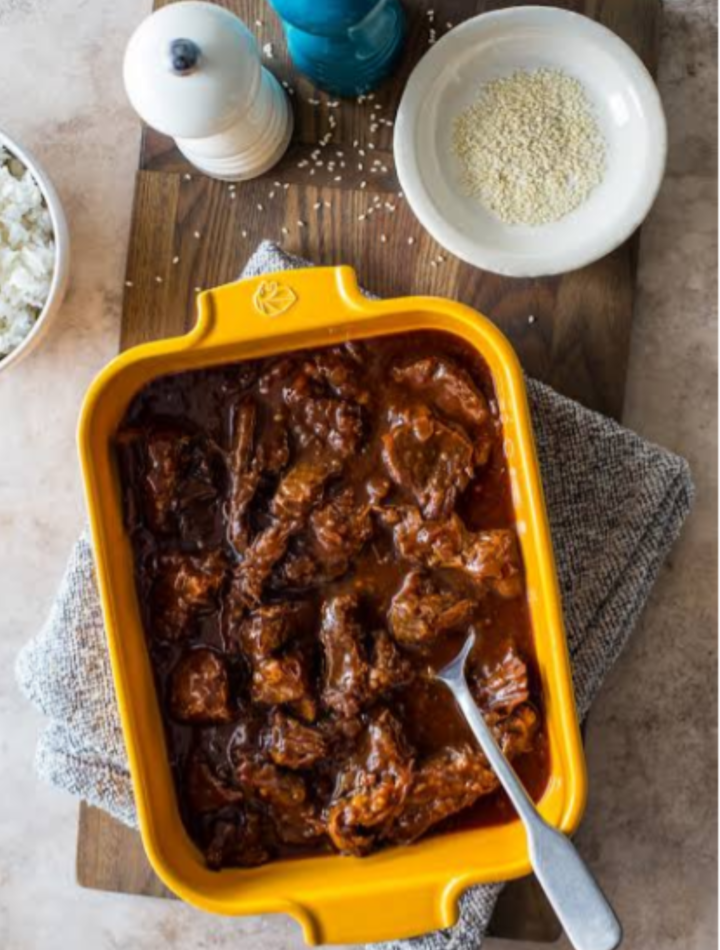
Korean Style Pot Roast
There’s something deeply comforting about a slow-cooked pot roast. The rich aroma filling the kitchen, the tender meat that falls apart with a fork, and the flavorful vegetables simmered in savory juices create the kind of meal that brings everyone to the table. This Korean Style Pot Roast takes that classic comfort food and transforms it with bold Korean-inspired flavors like soy sauce, garlic, ginger, sesame oil, and a touch of sweetness. The result is a deeply flavorful dish that is hearty, satisfying, and unforgettable.
Unlike a traditional American pot roast that often relies heavily on beef broth and herbs, this Korean-inspired version balances savory, sweet, spicy, and umami flavors beautifully. The meat becomes incredibly tender while soaking up the rich marinade-like braising liquid. Serve it over steamed rice, alongside kimchi, or with noodles for a complete meal that feels both comforting and exciting.
This recipe is perfect for cold evenings, family dinners, or meal prep because the flavors become even better the next day.
Why You’ll Love This Korean Style Pot Roast
This dish combines the best of two culinary worlds: the slow-cooked tenderness of classic pot roast and the bold flavors of Korean cuisine.
Here’s why it stands out:
- Deeply savory and rich flavor
- Fork-tender beef after slow braising
- Easy one-pot recipe
- Perfect for leftovers
- Great balance of sweet, salty, and spicy
- Pairs beautifully with rice or noodles
- Comfort food with a unique twist
The key to the dish is patience. Slow cooking allows the beef to absorb all the delicious flavors while becoming melt-in-your-mouth tender.
Ingredients
For the Pot Roast
- 3 to 4 pounds beef chuck roast
- 2 tablespoons vegetable oil
- 1 teaspoon salt
- 1 teaspoon black pepper
- 1 large onion, sliced
- 6 cloves garlic, minced
- 1 tablespoon fresh ginger, grated
- 4 carrots, cut into chunks
- 3 potatoes, peeled and chopped
- 2 green onions, sliced for garnish
- 1 tablespoon sesame seeds for garnish
For the Korean Braising Sauce
- 1 cup low-sodium soy sauce
- 3 cups beef broth
- 1/4 cup brown sugar
- 2 tablespoons gochujang (Korean chili paste)
- 2 tablespoons sesame oil
- 2 tablespoons rice vinegar
- 1 Asian pear, grated
- 1 tablespoon cornstarch (optional for thickening)
What Is Gochujang?
Gochujang is a fermented Korean chili paste that adds spice, sweetness, and umami flavor. It’s thick, rich, and slightly smoky. You can find it in most grocery stores or Asian markets.
If you prefer a milder roast, reduce the amount slightly. If you enjoy heat, add extra gochujang or even some Korean chili flakes.
Choosing the Best Cut of Beef
Chuck roast is ideal for pot roast because it contains enough fat and connective tissue to become tender during slow cooking. As it braises, the collagen melts into the sauce, creating incredible richness.
Other good options include:
- Brisket
- Short ribs
- Bottom round roast
However, chuck roast remains the most reliable and flavorful choice.
Step-by-Step Instructions
Step 1: Prepare the Beef
Pat the chuck roast dry with paper towels. Season all sides generously with salt and black pepper.
Drying the meat helps create a beautiful crust when searing.
Step 2: Sear the Roast
Heat vegetable oil in a large Dutch oven or heavy pot over medium-high heat.
Place the roast into the hot pot and sear for about 4 to 5 minutes per side until deeply browned.
Do not rush this step. Browning creates flavor and gives the finished dish depth and richness.
Once browned, remove the roast and set aside.
Step 3: Cook the Aromatics
In the same pot, add the onions and cook for about 5 minutes until softened.
Add garlic and ginger and cook for another minute until fragrant.
The combination of garlic and ginger creates the aromatic backbone of the dish.
Step 4: Make the Korean Braising Liquid
In a bowl, whisk together:
- Soy sauce
- Beef broth
- Brown sugar
- Gochujang
- Sesame oil
- Rice vinegar
- Grated Asian pear
The Asian pear is important because it naturally tenderizes the meat while adding subtle sweetness. Korean marinades often use pear for this exact reason.
Pour the mixture into the pot.
Step 5: Braise the Roast
Return the beef to the pot.
Add carrots and potatoes around the roast.
Bring everything to a gentle simmer, then cover with a lid.
Cook in a 325°F (163°C) oven for about 3 to 4 hours.
The roast is ready when it pulls apart easily with a fork.
Slow Cooker Method
You can also make this recipe in a slow cooker.
Instructions:
- Sear the meat first for maximum flavor.
- Transfer everything to the slow cooker.
- Cook:
- Low for 8 to 9 hours
- High for 5 to 6 hours
This method works wonderfully for busy days.
Instant Pot Version
For a faster option:
- Use sauté mode to brown the beef.
- Add all ingredients.
- Pressure cook on high for 60 minutes.
- Allow natural release for 15 minutes.
The pressure cooker creates tender meat much faster while preserving flavor.
Thickening the Sauce
If you prefer a thicker gravy-like sauce:
- Remove the roast and vegetables.
- Mix 1 tablespoon cornstarch with 2 tablespoons water.
- Stir into the simmering sauce.
- Cook until thickened.
This creates a glossy, rich sauce perfect for spooning over rice.
Serving Suggestions
This Korean Style Pot Roast pairs beautifully with many side dishes.
Best Side Options
Steamed Rice
The savory sauce soaks perfectly into fluffy white rice.
Kimchi
The tangy, spicy crunch of kimchi balances the richness of the beef.
Pickled Vegetables
Quick cucumber pickles or pickled radishes add freshness.
Noodles
Serve the shredded beef over udon or ramen noodles.
Lettuce Wraps
Use tender lettuce leaves to create fresh wraps filled with beef and rice.
Flavor Variations
One of the best things about this recipe is how customizable it is.
Add More Spice
- Extra gochujang
- Korean chili flakes
- Sriracha
Make It Sweeter
- Add honey
- Increase brown sugar slightly
Add Extra Vegetables
- Mushrooms
- Daikon radish
- Sweet potatoes
- Bok choy
Make It Smokier
Add a small amount of smoked paprika for a subtle smoky note.
Storage and Reheating
This dish stores extremely well and tastes even better the next day.
Refrigerator
Store in an airtight container for up to 4 days.
Freezer
Freeze portions for up to 3 months.
Reheating
Warm gently on the stove or microwave with extra broth if needed.
Tips for the Best Pot Roast
1. Sear Thoroughly
A dark brown crust equals better flavor.
2. Cook Low and Slow
Rushing results in tough meat.
3. Use Fresh Ginger and Garlic
Fresh aromatics make a huge difference.
4. Taste the Sauce
Adjust sweetness or spice to your preference.
5. Let It Rest
Allow the roast to sit for 10 minutes before shredding.
Why Asian Pear Works So Well
Asian pear is commonly used in Korean cooking because it contains natural enzymes that tenderize meat. It also adds mild fruity sweetness without overpowering the dish.
If unavailable, you can substitute:
- Bosc pear
- Apple
- Kiwi (use sparingly)
A Perfect Dish for Gatherings
This Korean Style Pot Roast is ideal for entertaining because it feels impressive while requiring relatively little active work.
You can prepare it ahead of time, and the flavors deepen overnight. Guests often love the unexpected Korean-inspired twist on a familiar comfort food classic.
Serve it family-style in the center of the table with bowls of rice and side dishes for a warm, communal dining experience.
Final Thoughts
Korean Style Pot Roast is the perfect fusion of comforting slow-cooked beef and bold Korean-inspired flavors. The rich braising liquid, fragrant garlic and ginger, spicy gochujang, and tender vegetables create a deeply satisfying meal that feels both cozy and exciting.
Whether you cook it in the oven, slow cooker, or Instant Pot, this recipe delivers incredible flavor with minimal effort. It’s hearty enough for special occasions yet simple enough for weeknight comfort food.
Once you try this version, you may never look at traditional pot roast the same way again.