Turkish Eggs (Çılbır) – A Dreamy Brunch Recipe for Food Content Creators
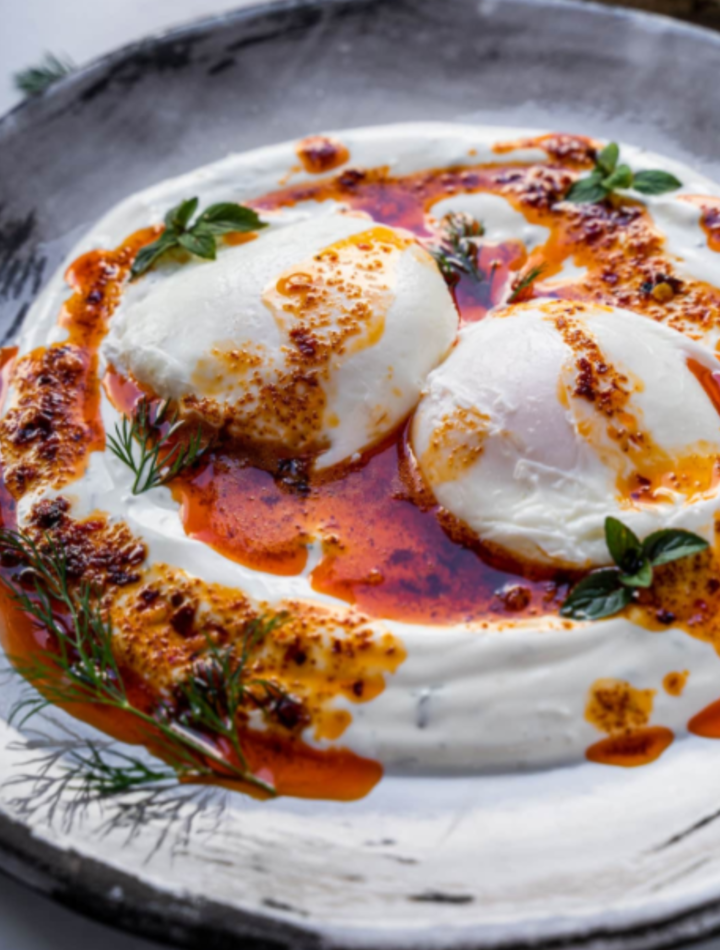
Turkish Eggs, traditionally known as Çılbır, are one of the most visually stunning and flavor-packed breakfast dishes you can create. Creamy garlicky yogurt, perfectly poached eggs, and sizzling paprika butter come together to form a dish that is both rustic and luxurious. Popular across social media platforms and brunch menus worldwide, Turkish Eggs are ideal for food content creators because they deliver dramatic textures, vibrant colors, and irresistible yolk-pull moments on camera.
This recipe is designed not only to taste incredible but also to look beautiful in photos and videos. Whether you are creating TikTok cooking reels, Instagram brunch photography, or YouTube food content, Turkish Eggs provide everything you need: movement, color contrast, steam, silky textures, and cinematic plating.
What Are Turkish Eggs?
Turkish Eggs, or Çılbır, are a traditional Turkish breakfast dish dating back centuries to the Ottoman Empire. The dish typically features:
- Thick strained yogurt mixed with garlic
- Soft poached eggs
- Melted butter infused with paprika or Aleppo pepper
- Fresh herbs
- Crusty bread for dipping
The magic of Turkish Eggs lies in the contrast between cool creamy yogurt and warm rich butter sauce. When the egg yolk breaks and mixes with the yogurt and spicy butter, the sauce becomes unbelievably luxurious.
Why Food Creators Love Turkish Eggs
Turkish Eggs are one of the most aesthetically pleasing brunch dishes you can make. They are ideal for:
- Slow-motion yolk shots
- Butter-pour videos
- ASMR sizzling sounds
- Rustic overhead photography
- Bright color contrast
- Minimal but elegant styling
The vivid orange-red paprika butter against white yogurt and golden yolks creates instant visual appeal.
Ingredients
Serves 2
For the Yogurt Base
- 1 cup thick Greek yogurt
- 1 garlic clove, finely grated
- 1 tablespoon olive oil
- 1/4 teaspoon salt
For the Poached Eggs
- 4 fresh eggs
- 1 tablespoon vinegar
- Water for poaching
For the Paprika Butter
- 4 tablespoons unsalted butter
- 1 teaspoon paprika
- 1 teaspoon Aleppo pepper or chili flakes
- 1/2 teaspoon smoked paprika
Garnish
- Fresh dill
- Fresh parsley
- Cracked black pepper
- Extra chili flakes
To Serve
- Toasted sourdough bread
- Pita bread
- Rustic artisan bread
The Importance of Quality Ingredients
Because Turkish Eggs use only a handful of ingredients, quality matters tremendously.
Yogurt
Use thick Greek yogurt or Turkish-style strained yogurt. Thin yogurt will become watery and ruin the luxurious texture.
Eggs
Fresh eggs are essential for successful poaching. Fresher eggs hold their shape much better in simmering water.
Butter
Use real unsalted butter for the richest flavor. European-style butter works exceptionally well.
Spices
Aleppo pepper gives authentic warmth without excessive heat. Smoked paprika adds depth and enhances the visual color.
Step 1: Preparing the Yogurt
In a bowl, combine:
- Greek yogurt
- Garlic
- Olive oil
- Salt
Mix until smooth and creamy.
For the best texture, allow the yogurt to come to room temperature before serving. Cold yogurt against warm eggs can cool the dish too quickly.
Spread the yogurt onto shallow serving bowls using the back of a spoon to create elegant swirls. These swirls help capture pools of butter beautifully in food photography.
Step 2: Poaching the Eggs Perfectly
Poached eggs are the star of Turkish Eggs. A perfectly runny yolk creates the iconic sauce when broken.
Poaching Method
Fill a saucepan with water and bring it to a gentle simmer — not a rolling boil.
Add vinegar to the water.
Crack each egg into a small bowl first.
Using a spoon, create a gentle whirlpool in the water and carefully slide the egg into the center.
Cook for:
- 3 minutes for soft yolks
- 4 minutes for medium-soft yolks
Remove with a slotted spoon and place on paper towels briefly.
Tips for Beautiful Poached Eggs on Camera
1. Use Fresh Eggs
Fresh whites stay compact and look cleaner.
2. Strain the Egg Whites
For restaurant-style poached eggs, strain loose whites through a fine mesh sieve before poaching.
3. Avoid Boiling Water
Aggressive boiling breaks apart the eggs.
4. Shoot Immediately
The yolk looks best while warm and glossy.
Step 3: Making the Paprika Butter
The sizzling butter is one of the most dramatic elements for content creation.
In a small pan:
- Melt butter over medium heat.
- Add paprika.
- Add Aleppo pepper.
- Add smoked paprika.
Cook for about 30 seconds until fragrant and vibrant red.
Do not burn the spices.
The butter should bubble gently and release an incredible smoky aroma.
The Signature Butter Pour Shot
One reason Turkish Eggs dominate social media is the famous butter-pour sequence.
To capture this:
- Pour slowly
- Use natural lighting
- Film close-up
- Let butter cascade over the eggs
- Capture steam rising
The contrast between red butter and white yogurt is visually stunning.
Step 4: Assembly
Now comes the fun part.
Layering
- Spread yogurt onto the plate.
- Place poached eggs gently on top.
- Spoon paprika butter generously over everything.
- Garnish with herbs and pepper.
The butter should drip into the yogurt swirls naturally.
Styling Tips for Food Creators
Use Neutral Plates
White or stoneware plates make the colors pop.
Add Texture
Use linen napkins, rustic wooden boards, or vintage silverware.
Include Bread
Torn sourdough pieces create movement and realism.
Capture Egg Yolk Breaks
One of the best moments is slicing into the egg and letting the yolk flow into the yogurt.
Flavor Profile
Turkish Eggs are deeply balanced:
- Creamy yogurt
- Rich buttery sauce
- Smoky paprika warmth
- Silky yolks
- Sharp garlic notes
- Fresh herbs
Every bite is luxurious yet comforting.
Bread Pairings
Turkish Eggs absolutely need bread.
Best options include:
- Sourdough
- Turkish pide
- Toasted baguette
- Rustic country bread
- Warm pita
The bread acts as a vehicle for soaking up the yogurt, butter, and yolk sauce.
Creative Variations
Avocado Turkish Eggs
Add sliced avocado for extra creaminess.
Green Herb Butter
Blend parsley and dill into the butter.
Feta Version
Crumble feta cheese over the yogurt.
Spicy Version
Add harissa or extra chili oil.
Crispy Chickpeas
Top with roasted chickpeas for crunch.
Common Mistakes to Avoid
Overcooked Eggs
The yolk should remain runny.
Cold Yogurt
Room-temperature yogurt creates a better eating experience.
Burned Paprika
Paprika burns quickly and becomes bitter.
Watery Yogurt
Use thick strained yogurt only.
Nutritional Benefits
Turkish Eggs are rich in:
- Protein
- Healthy fats
- Calcium
- Probiotics
- Vitamins from herbs and eggs
It’s a satisfying brunch that feels indulgent while still offering balanced nutrition.
Timing and Workflow for Creators
Best Workflow
- Prep yogurt first
- Toast bread
- Poach eggs
- Make butter last
- Film immediately
This keeps steam and textures fresh.
Social Media Caption Ideas
Food creators often need engaging captions. Here are some examples:
- “That paprika butter pour though…”
- “Breakfast with a little Ottoman luxury.”
- “The yolk drip is everything.”
- “Creamy, spicy, buttery perfection.”
- “Brunch goals achieved.”
Final Thoughts
Turkish Eggs are proof that simple ingredients can create something truly unforgettable. The combination of creamy yogurt, luscious poached eggs, and sizzling paprika butter delivers incredible flavor while also creating stunning visual content.
For food creators, this dish is a dream. It offers movement, texture, color contrast, steam, and dramatic yolk shots that instantly attract attention online. Yet beyond its beauty, Turkish Eggs remain deeply comforting and satisfying — a dish rooted in centuries of culinary tradition.
Whether you’re preparing brunch for friends, styling a food photography shoot, or filming your next viral recipe reel, Turkish Eggs deserve a place in your kitchen. One bite of the creamy yogurt mixed with rich butter and flowing yolk, scooped onto crusty bread, and you’ll understand why this classic Turkish dish has become a global brunch obsession.