Tsuvian – Traditional Mongolian Stir-Fried Noodles Recipe
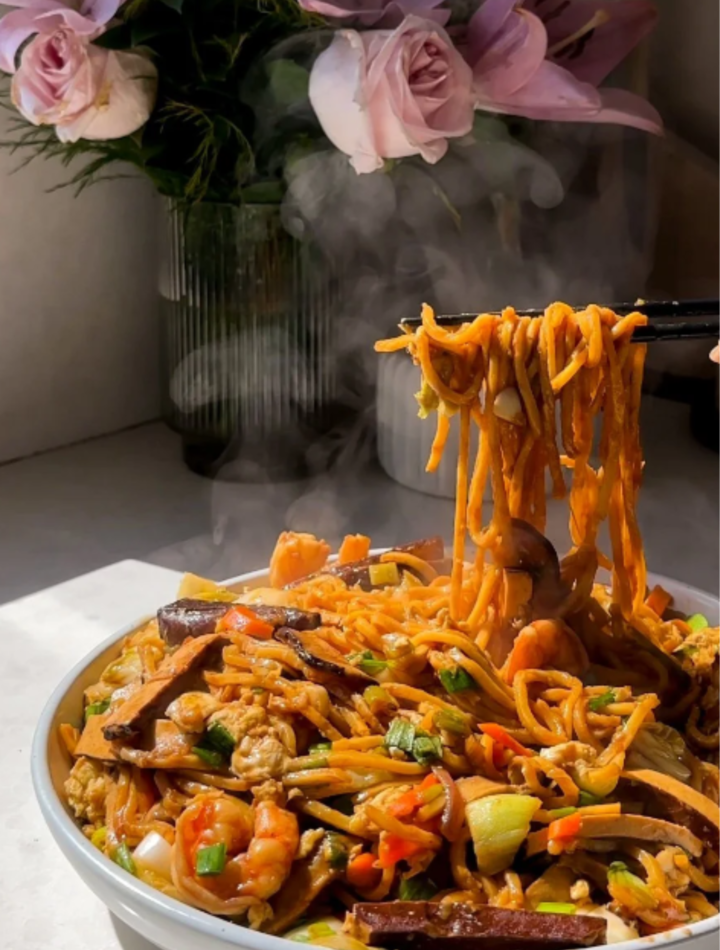
Rich, savory, and incredibly comforting, Tsuvian is one of Mongolia’s most beloved noodle dishes. Made with hand-cut noodles stir-fried alongside tender meat and vegetables, this hearty meal is a staple of Mongolian home cooking. Simple ingredients come together to create a dish full of warmth, flavor, and satisfying texture, making Tsuvian a favorite for family dinners and gatherings.
Unlike heavily sauced stir-fried noodles found in some Asian cuisines, Mongolian Tsuvian focuses on the natural flavors of meat, onions, and freshly made noodles. Traditionally cooked in a large pan or wok, the noodles absorb the juices from the meat while developing a lightly crispy texture in some areas. The result is both rustic and deeply delicious.
Tsuvian is especially popular because it is practical, filling, and easy to customize. Mongolian nomadic culture has always valued meals that provide energy and nourishment, and dishes like Tsuvian reflect that culinary tradition beautifully. Often prepared with beef, lamb, or mutton, the recipe uses ingredients that were historically available across Mongolia’s grasslands and harsh climates.
This authentic homemade Tsuvian recipe will guide you through making fresh noodles from scratch and stir-frying them into a flavorful Mongolian-style noodle dish. Once you taste the chewy noodles coated in savory meat juices and tender vegetables, you will understand why Tsuvian remains a treasured comfort food throughout Mongolia.
What Is Tsuvian?
Tsuvian is a Mongolian stir-fried noodle dish made with handmade noodles, meat, and vegetables. The noodles are usually steamed briefly before being stir-fried, giving them a unique chewy texture that absorbs flavor beautifully.
Traditionally, Tsuvian is cooked using lamb or beef because livestock has long been central to Mongolian life. The vegetables are simple—often carrots, onions, cabbage, or peppers—and the seasoning remains light so the flavors of the meat and noodles stand out.
One of the most distinctive features of Tsuvian is the noodle texture. Homemade noodles are thicker and heartier than many store-bought noodles, making the dish especially satisfying.
Ingredients
For the Homemade Noodles
- 3 cups all-purpose flour
- 1 teaspoon salt
- 1 cup warm water
For the Stir-Fry
- 500 g beef, lamb, or mutton, thinly sliced
- 2 tablespoons vegetable oil
- 1 large onion, sliced
- 2 carrots, julienned
- 1 cup cabbage, sliced
- 3 garlic cloves, minced
- 2 tablespoons soy sauce
- 1 teaspoon black pepper
- 1 teaspoon salt
- 1/2 teaspoon ground cumin (optional)
- 2 green onions, sliced for garnish
Equipment Needed
- Large mixing bowl
- Rolling pin
- Large skillet or wok
- Knife
- Steamer or colander
Step 1: Make the Noodle Dough
Start by preparing the noodle dough.
In a large bowl, combine the flour and salt. Slowly add the warm water while mixing until the dough begins to form.
Transfer the dough onto a lightly floured surface and knead for about 8–10 minutes until smooth and elastic. The dough should feel firm but flexible.
Cover the dough with a towel or plastic wrap and let it rest for at least 30 minutes. This resting period relaxes the gluten and makes rolling easier.
Homemade noodles are one of the key elements that make Tsuvian so comforting and authentic.
Step 2: Roll and Cut the Noodles
After resting, divide the dough into two pieces for easier handling.
Roll one piece into a thin rectangle about 1/8 inch thick. Dust lightly with flour to prevent sticking.
Fold the sheet gently several times and cut it into strips using a sharp knife. Traditional Tsuvian noodles are usually medium-thick and rustic rather than perfectly uniform.
Unfold the strips carefully and toss them lightly with flour.
Repeat with the remaining dough.
Step 3: Steam the Noodles
Before stir-frying, the noodles are traditionally steamed.
Place the noodles into a steamer basket lined lightly with oil or parchment paper. Steam for about 8–10 minutes.
Steaming gives the noodles their signature chewy texture and helps them hold up during stir-frying.
Once steamed, set the noodles aside while preparing the rest of the dish.
Step 4: Cook the Meat
Heat 1 tablespoon of vegetable oil in a large skillet or wok over medium-high heat.
Add the sliced meat and cook until browned and slightly crispy around the edges. Stir frequently so the meat cooks evenly.
If using lamb or mutton, the rich aroma becomes especially fragrant and traditional.
Season lightly with salt and black pepper.
Remove the meat from the pan temporarily and set aside.
Step 5: Stir-Fry the Vegetables
Add another tablespoon of oil to the pan.
Cook the onions for about 3 minutes until softened. Add the carrots, cabbage, and garlic, stirring frequently.
Cook for another 5 minutes until the vegetables become slightly tender but still maintain some texture.
Traditional Tsuvian uses simple vegetables, allowing the noodles and meat to remain the focus of the dish.
Step 6: Combine Everything
Return the cooked meat to the skillet with the vegetables.
Add the steamed noodles and gently toss everything together.
Pour in the soy sauce and sprinkle with cumin if using.
Continue stir-frying for about 5–7 minutes, allowing the noodles to absorb the savory flavors from the meat and vegetables.
Some noodles may become lightly crispy on the bottom of the pan, which adds delicious texture.
Taste and adjust seasoning if necessary.
Step 7: Serve Hot
Transfer the Tsuvian to serving bowls or plates.
Garnish with sliced green onions for freshness and color.
Serve immediately while hot.
Tsuvian is usually enjoyed as a complete meal on its own because it contains noodles, meat, and vegetables all in one dish.
Tips for Perfect Tsuvian
1. Do Not Skip Steaming
Steaming the noodles before stir-frying creates the authentic chewy texture that defines Tsuvian.
2. Use High Heat
Cooking over medium-high heat helps develop flavor and slight crispiness.
3. Slice Meat Thinly
Thin slices cook quickly and stay tender.
4. Avoid Overcrowding the Pan
Cook in batches if necessary to maintain good stir-fry texture.
5. Keep the Seasoning Simple
Traditional Mongolian cuisine emphasizes natural flavors rather than heavy sauces.
Variations
Lamb Tsuvian
Lamb gives the dish a richer and more authentic Mongolian taste.
Vegetarian Tsuvian
Replace the meat with mushrooms, tofu, or extra vegetables.
Spicy Tsuvian
Add chili flakes or fresh chili peppers for heat.
Garlic Lover’s Tsuvian
Double the garlic for a more aromatic version.
Egg Noodle Tsuvian
Add an egg to the dough for richer noodles.
Storage and Reheating
Refrigerator
Store leftovers in an airtight container for up to 3 days.
Freezer
Freeze cooked Tsuvian for up to 1 month, though fresh noodles always provide the best texture.
Reheating
Reheat in a skillet over medium heat with a splash of water or broth to loosen the noodles.
The Cultural Importance of Tsuvian
Tsuvian reflects Mongolia’s nomadic culinary traditions, where meals needed to be hearty, practical, and nourishing. Flour and meat were dependable staples that could sustain families through long winters and demanding travel.
Because Mongolia’s cuisine developed with limited access to many spices or fresh produce, dishes like Tsuvian rely on technique and ingredient quality rather than complicated seasoning. Handmade noodles are central to this tradition, representing both craftsmanship and comfort.
Many Mongolians grow up eating Tsuvian regularly at home. The smell of sizzling noodles and meat often brings memories of family meals, warmth, and hospitality.
Why Homemade Noodles Matter
Although store-bought noodles can be used in a hurry, homemade noodles transform Tsuvian into something truly special.
Fresh noodles have a chewy, rustic texture that absorbs the savory juices from the meat and vegetables beautifully. They also provide a heartier bite that matches the dish’s comforting nature.
Making noodles by hand may seem intimidating at first, but the process quickly becomes relaxing and enjoyable.
Final Thoughts
Tsuvian is the perfect example of how simple ingredients can create extraordinary comfort food. Tender meat, chewy handmade noodles, crisp vegetables, and savory seasoning come together in one satisfying dish that feels both rustic and deeply nourishing.
Whether you are exploring Mongolian cuisine for the first time or searching for a new homemade noodle recipe, Tsuvian is a meal worth trying. Its warmth, simplicity, and rich flavor make it ideal for family dinners, cozy evenings, or sharing with friends.
Once you master the handmade noodles and experience the delicious texture of authentic Tsuvian, this Mongolian stir-fried noodle dish may quickly become one of your favorite comfort foods.