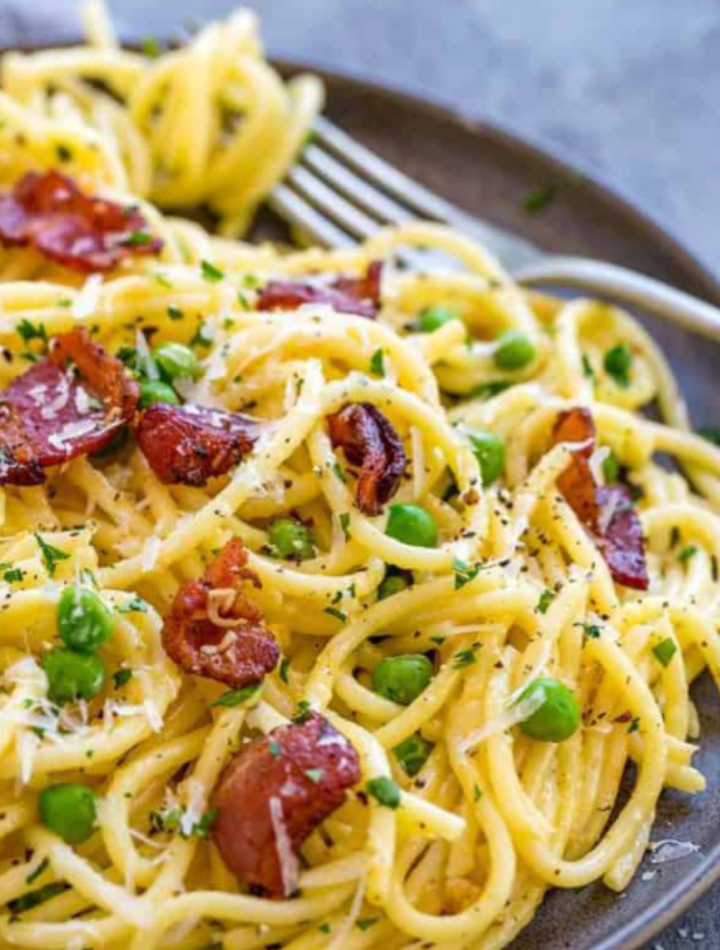
Easy and Delicious Carbonara
Few pasta dishes are as comforting, elegant, and satisfying as a classic carbonara. With just a handful of simple ingredients, this traditional Italian recipe creates a rich, silky sauce that clings beautifully to every strand of pasta. Carbonara is famous for its creamy texture, crispy pancetta or bacon, salty cheese, and plenty of freshly cracked black pepper. Best of all, authentic carbonara contains no heavy cream—the luxurious sauce comes entirely from eggs, cheese, pasta water, and technique.
This Easy and Delicious Carbonara recipe is perfect for busy weeknights, romantic dinners, or anytime you want a restaurant-quality meal at home without spending hours in the kitchen. The dish comes together in about 30 minutes and uses pantry-friendly ingredients that are easy to find.
Although traditional Roman carbonara is made with guanciale and Pecorino Romano cheese, this version offers flexible substitutions while still delivering incredible flavor. Whether you are new to Italian cooking or already love homemade pasta dishes, carbonara is one recipe every home cook should master.
What Makes Carbonara Special?
Carbonara stands out because of its simplicity. Instead of relying on cream or complicated sauces, the magic comes from combining hot pasta with eggs and cheese to create a glossy coating that feels indulgent yet light.
The contrast of textures and flavors is what makes the dish unforgettable:
- Crispy pancetta or bacon
- Silky sauce coating the pasta
- Sharp salty cheese
- Freshly ground black pepper
- Perfectly cooked noodles
When done correctly, carbonara tastes rich and creamy without feeling heavy.
Ingredients
For the Pasta
- 400 g (14 oz) spaghetti
- Salt for pasta water
For the Carbonara Sauce
- 2 large eggs
- 2 egg yolks
- 1 cup grated Pecorino Romano cheese
- 1/2 teaspoon freshly ground black pepper
- 1 tablespoon grated Parmesan cheese (optional)
For the Meat
- 150 g (5 oz) pancetta, guanciale, or bacon, diced
- 1 tablespoon olive oil if needed
Optional Garnishes
- Extra Pecorino Romano
- Fresh parsley
- Additional black pepper
Understanding the Ingredients
Pasta
Spaghetti is the traditional choice for carbonara because the long strands hold the creamy sauce beautifully. However, linguine, fettuccine, or bucatini also work wonderfully.
Choose high-quality pasta whenever possible because the dish depends heavily on simple ingredients.
Eggs
Eggs create the creamy texture of the sauce. Using whole eggs plus extra yolks provides richness while maintaining a silky consistency.
The key is gently cooking the eggs with the heat from the pasta instead of scrambling them.
Cheese
Pecorino Romano is the classic cheese used in authentic Roman carbonara. It has a sharp, salty flavor that defines the dish.
Some cooks combine Pecorino with Parmesan for a slightly milder taste.
Pancetta or Guanciale
Guanciale, cured pork cheek, is the traditional meat for carbonara. Pancetta is a common substitute, while bacon provides a smokier flavor.
The rendered fat from the meat helps flavor the entire dish.
Step 1: Boil the Pasta
Bring a large pot of salted water to a boil.
The water should taste slightly salty like the sea because this is your chance to season the pasta itself.
Add the spaghetti and cook until al dente according to package instructions.
Before draining, reserve at least 1 cup of pasta water. This starchy water is essential for creating the silky sauce.
Drain the pasta but do not rinse it.
Step 2: Prepare the Egg Mixture
While the pasta cooks, whisk together the eggs, egg yolks, Pecorino Romano, Parmesan if using, and black pepper in a bowl.
The mixture should become thick and creamy.
Freshly ground black pepper is very important in carbonara because it provides warmth and balance against the rich cheese and eggs.
Set the bowl aside while you cook the meat.
Step 3: Cook the Pancetta or Bacon
Heat a large skillet over medium heat.
Add the pancetta, guanciale, or bacon and cook slowly until crispy and golden brown.
This process usually takes about 7–10 minutes.
The fat rendered from the meat becomes a key flavor component in the sauce, so do not drain it away.
If your meat is very lean, you can add a small drizzle of olive oil.
Once crispy, reduce the heat to low.
Step 4: Combine Pasta and Meat
Add the hot drained pasta directly into the skillet with the crispy pancetta.
Toss well so every strand becomes coated in the flavorful rendered fat.
This step helps infuse the pasta with savory richness before the sauce is added.
Remove the skillet from direct heat before adding the egg mixture. This is extremely important because too much heat will scramble the eggs instead of creating a smooth sauce.
Step 5: Create the Creamy Sauce
Slowly pour the egg and cheese mixture over the hot pasta while tossing continuously.
The residual heat from the pasta gently cooks the eggs, transforming them into a creamy sauce.
Add a splash of reserved pasta water little by little until the sauce reaches your desired consistency.
The sauce should look glossy and silky, not dry or clumpy.
If needed, add more pasta water gradually. The starch in the water helps emulsify the sauce beautifully.
Step 6: Serve Immediately
Carbonara is best enjoyed fresh and hot.
Twirl the pasta into bowls and top with extra Pecorino Romano and more black pepper.
You can garnish with chopped parsley if desired, although traditional carbonara usually keeps garnishes minimal.
Serve immediately while the sauce is creamy and luscious.
Tips for Perfect Carbonara
Use Room Temperature Eggs
Cold eggs are more likely to seize or cook unevenly. Let them sit out for a few minutes before using.
Save Plenty of Pasta Water
Pasta water is the secret to a silky sauce. It helps bind the eggs, cheese, and fat together smoothly.
Remove from Heat
Never add the egg mixture over direct high heat. Residual heat is enough to cook the sauce gently.
Stir Constantly
Continuous tossing prevents scrambling and creates the creamy texture carbonara is known for.
Use Freshly Grated Cheese
Pre-shredded cheese does not melt as smoothly and may affect the texture of the sauce.
Common Carbonara Mistakes
Scrambled Eggs
This happens when the pan is too hot. Always remove it from direct heat before adding eggs.
Dry Pasta
Carbonara sauce thickens quickly, so keep extra pasta water nearby to loosen it as needed.
Too Much Cream
Traditional carbonara does not require cream. The creamy texture comes naturally from eggs and cheese.
Overcooked Pasta
Al dente pasta provides the best texture and continues absorbing sauce after mixing.
Delicious Variations
Mushroom Carbonara
Add sautéed mushrooms for earthy flavor and extra texture.
Chicken Carbonara
Grilled chicken makes the dish heartier and adds more protein.
Vegetarian Carbonara
Skip the meat and use smoked mushrooms or roasted vegetables for savory depth.
Spicy Carbonara
Add chili flakes for gentle heat.
Garlic Lovers Version
Although not traditional, sautéed garlic can add another layer of flavor.
What to Serve with Carbonara
Carbonara is rich and flavorful, so lighter side dishes pair beautifully with it.
Here are some excellent options:
- Caesar salad
- Garlic bread
- Roasted asparagus
- Bruschetta
- Lemon arugula salad
- Steamed green beans
A sparkling water or citrus drink also balances the richness nicely.
Storage and Reheating
Carbonara is best eaten fresh, but leftovers can still be enjoyed.
Refrigeration
Store in an airtight container for up to 2 days.
Reheating
Reheat gently over low heat with a splash of water to loosen the sauce.
Avoid overheating because the eggs may become grainy.
Why Homemade Carbonara is Better
Restaurant carbonara often includes cream for convenience, but homemade carbonara delivers a more authentic texture and flavor.
Making it yourself allows you to:
- Control ingredient quality
- Adjust seasoning perfectly
- Create a fresher, silkier sauce
- Enjoy authentic Italian flavor
Once you master the technique, carbonara becomes one of the fastest and most rewarding pasta dishes you can make.
Final Thoughts
Easy and Delicious Carbonara proves that a few simple ingredients can create something truly unforgettable. The creamy egg-based sauce, crispy pancetta, salty cheese, and perfectly cooked pasta come together in a dish that feels comforting yet elegant.
This recipe is ideal for beginners because it teaches essential cooking techniques while remaining approachable and quick. With practice, you will learn exactly how to create the perfect silky sauce every time.
Whether served for a cozy family dinner, a romantic evening, or a quick weeknight meal, carbonara always feels special. Once you taste homemade carbonara prepared the traditional way, it may become one of your favorite pasta recipes forever.