Slow-Cooked Pot Roast with Vegetables
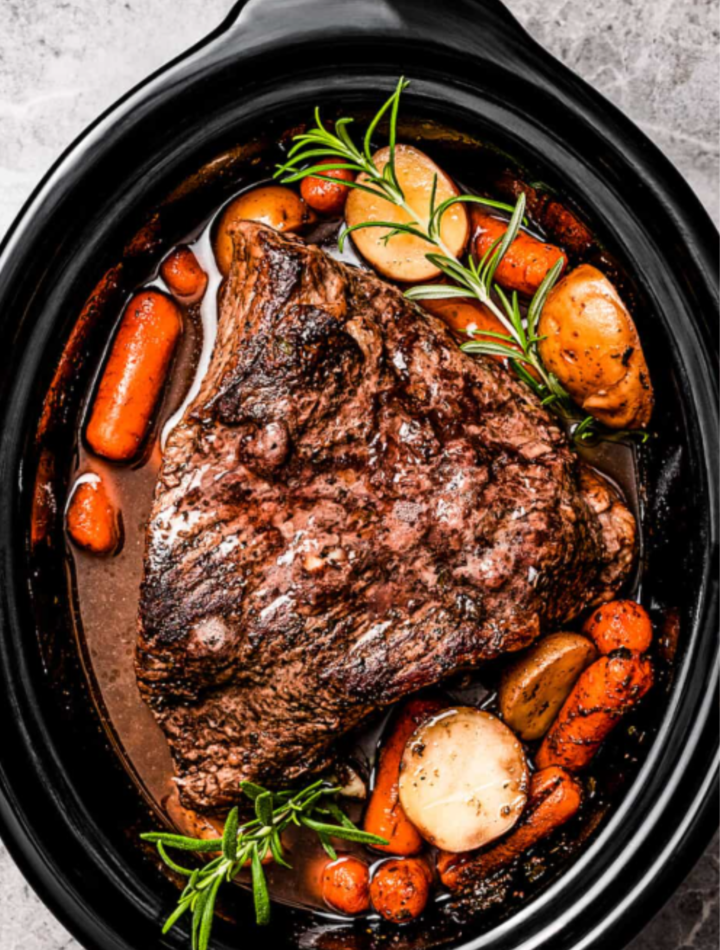
There are few meals as comforting and satisfying as a Slow-Cooked Pot Roast with Vegetables. This classic dish transforms a humble cut of beef into a tender, flavorful centerpiece surrounded by perfectly cooked vegetables and a rich, savory gravy. Whether you’re preparing a cozy Sunday dinner, feeding a crowd, or looking for a meal that provides delicious leftovers, pot roast is a timeless recipe that never disappoints.
The magic of pot roast lies in the slow-cooking process. Over several hours, the beef becomes fork-tender while absorbing the flavors of herbs, broth, onions, and vegetables. The result is a hearty, wholesome meal that fills your home with wonderful aromas and creates lasting memories around the dinner table.
Why You’ll Love This Recipe
This slow-cooked pot roast is easy to prepare and requires minimal hands-on cooking time. Once everything is assembled in the pot, the slow cooking process does most of the work. The vegetables cook alongside the beef, making this a complete one-pot meal.
The dish is also versatile. You can customize the vegetables, herbs, and seasonings to suit your family’s preferences while still achieving excellent results.
Ingredients
For the Pot Roast
- 3 to 4 pounds (1.4 to 1.8 kg) beef chuck roast
- 2 teaspoons salt
- 1 teaspoon black pepper
- 2 tablespoons olive oil
- 2 large onions, sliced
- 4 cloves garlic, minced
- 4 cups beef broth
- 2 tablespoons tomato paste
- 2 tablespoons Worcestershire sauce
- 2 bay leaves
- 1 teaspoon dried thyme
- 1 teaspoon dried rosemary
For the Vegetables
- 5 medium carrots, peeled and cut into large chunks
- 4 medium potatoes, peeled and quartered
- 3 celery stalks, cut into pieces
- 1 cup mushrooms, halved
- 2 parsnips, peeled and sliced (optional)
For the Gravy
- 2 tablespoons cornstarch
- 3 tablespoons cold water
Garnish
- Fresh parsley, chopped
Equipment Needed
- Large Dutch oven or slow cooker
- Sharp knife
- Cutting board
- Measuring cups and spoons
- Wooden spoon
- Whisk
Preparing the Roast
Remove the chuck roast from the refrigerator about 30 minutes before cooking. Allowing the meat to warm slightly promotes more even cooking.
Pat the roast dry with paper towels. This helps create a better crust during browning.
Season all sides generously with salt and black pepper.
Browning the Meat
Heat the olive oil in a large Dutch oven over medium-high heat.
Carefully place the roast into the hot oil.
Sear the meat for about 4 to 5 minutes on each side until a deep golden-brown crust forms.
Do not rush this step. Browning creates rich flavor compounds that enhance the finished dish.
Once browned, transfer the roast to a plate.
Building the Flavor Base
In the same pot, add the sliced onions.
Cook for about 5 minutes until softened and lightly caramelized.
Add the garlic and cook for another minute.
Stir in the tomato paste and cook for 1 minute to deepen its flavor.
Pour in about 1 cup of the beef broth and scrape the bottom of the pot with a wooden spoon to release the browned bits. These flavorful bits contribute significantly to the richness of the gravy.
Add the remaining broth, Worcestershire sauce, thyme, rosemary, and bay leaves.
Bring the mixture to a gentle simmer.
Assembling the Pot Roast
Return the browned roast to the Dutch oven.
Arrange the carrots, potatoes, celery, mushrooms, and parsnips around the meat.
The vegetables should be partially submerged in the cooking liquid.
Cover the pot with a tight-fitting lid.
Cooking the Pot Roast
Oven Method
Preheat your oven to 325°F (165°C).
Place the covered Dutch oven in the oven.
Cook for approximately 3½ to 4 hours.
The roast is done when it can easily be pulled apart with a fork.
Slow Cooker Method
Transfer everything to a slow cooker after browning.
Cook on low for 8 to 10 hours or on high for 5 to 6 hours.
The low setting generally produces the most tender results.
Checking for Doneness
The beef should be extremely tender and practically fall apart when tested with a fork.
The vegetables should be soft but still hold their shape.
If the roast feels tough, continue cooking. Toughness often indicates that the connective tissues have not yet fully broken down.
Removing and Resting the Roast
Carefully transfer the roast to a serving platter.
Arrange the vegetables around it.
Cover loosely with foil while preparing the gravy.
Allowing the meat to rest for 10 to 15 minutes helps retain its juices.
Making the Gravy
Remove the bay leaves from the cooking liquid.
Skim excess fat from the surface if desired.
Place the Dutch oven on the stovetop over medium heat.
In a small bowl, combine the cornstarch and cold water to create a smooth slurry.
Slowly whisk the slurry into the simmering liquid.
Cook for 3 to 5 minutes until the gravy thickens.
Taste and adjust seasoning with additional salt and pepper if needed.
The finished gravy should be rich, smooth, and packed with savory flavor.
Serving the Pot Roast
Slice or shred the roast into large portions.
Spoon some gravy over the meat.
Serve alongside the cooked vegetables.
Garnish with fresh parsley for a pop of color and freshness.
This meal pairs beautifully with:
- Crusty artisan bread
- Buttered dinner rolls
- Steamed green beans
- Roasted Brussels sprouts
- Simple garden salad
Tips for Success
Choose the Right Cut
Chuck roast is ideal because it contains connective tissue and marbling that become tender during slow cooking.
Brisket and bottom round can also work well.
Don’t Skip Browning
Searing the meat creates flavor that cannot be achieved through slow cooking alone.
Use Quality Broth
A flavorful broth forms the foundation of the gravy.
Homemade broth is excellent, but a good-quality store-bought broth also works well.
Cook Low and Slow
Patience is key.
Slow cooking allows collagen to break down into gelatin, producing exceptionally tender meat.
Cut Vegetables Large
Large vegetable pieces withstand the long cooking time better than small pieces.
Delicious Variations
Red Wine Pot Roast
Replace 1 cup of beef broth with dry red wine.
The wine adds complexity and depth to the sauce.
Herb Lover’s Pot Roast
Add fresh rosemary, thyme, and parsley bundles to the cooking liquid.
Rustic Pot Roast
Leave the potatoes unpeeled for a more rustic appearance and added texture.
Garlic Pot Roast
Increase the garlic to 8 cloves for a bolder flavor profile.
Root Vegetable Pot Roast
Add turnips, rutabaga, or sweet potatoes for additional sweetness and variety.
Storage
Allow leftovers to cool completely.
Store the meat, vegetables, and gravy in airtight containers in the refrigerator for up to 4 days.
The flavors often become even better after a day of resting.
Reheating
Reheat gently in a covered saucepan over medium-low heat.
Add a splash of broth if necessary to prevent drying.
Alternatively, reheat in a 325°F (165°C) oven until warmed through.
Freezing Instructions
Pot roast freezes exceptionally well.
Place cooled portions into freezer-safe containers.
Freeze for up to 3 months.
Thaw overnight in the refrigerator before reheating.
Nutritional Benefits
This meal provides:
- High-quality protein from beef
- Iron and zinc
- Dietary fiber from vegetables
- Vitamins A and C from carrots and potatoes
- Long-lasting energy from wholesome ingredients
Because the meal includes protein, vegetables, and starches, it offers a balanced and satisfying dinner option.
Conclusion
Slow-Cooked Pot Roast with Vegetables is the definition of comfort food. Tender beef, perfectly cooked vegetables, and a rich homemade gravy combine to create a meal that is both rustic and elegant. The slow-cooking process rewards patience with incredible flavor and texture, making every bite deeply satisfying. Whether served for a family gathering, holiday meal, or cozy weekend dinner, this classic pot roast recipe is sure to become a cherished favorite that you’ll return to again and again.