Skordalia (Greek Garlic and Potato Dip) – Traditional Greek Recipe
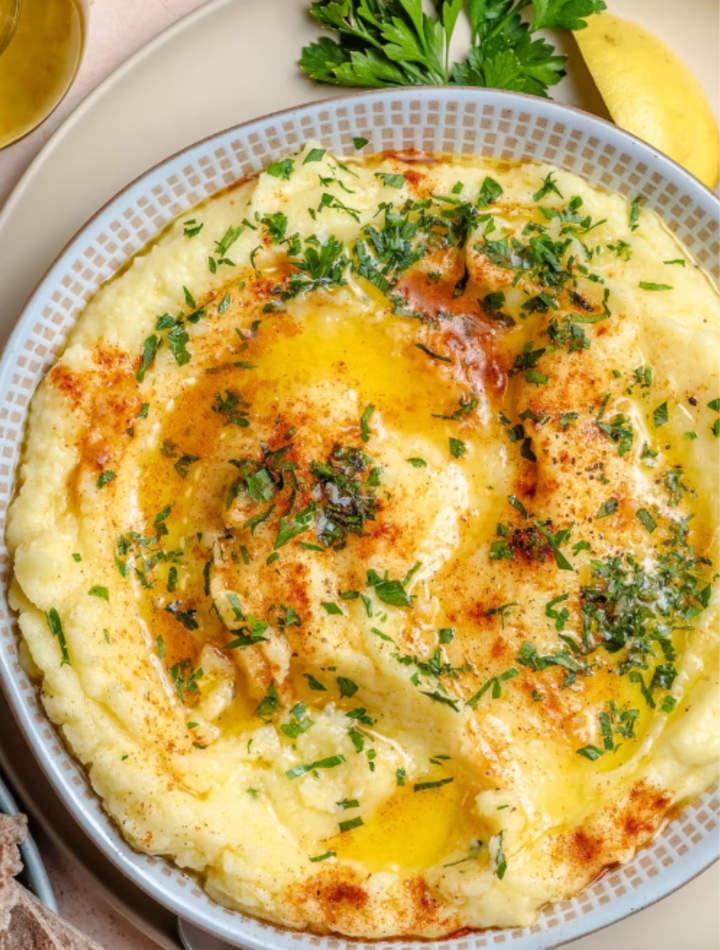
Skordalia is a classic Greek garlic and potato dip that has been enjoyed for generations throughout Greece. Creamy, rich, and bursting with the bold flavor of fresh garlic, Skordalia is often served as a side dish, appetizer, or accompaniment to fried fish, grilled vegetables, and warm crusty bread. The name “Skordalia” comes from the Greek word skordo, meaning garlic, which is the star ingredient in this beloved dish.
This traditional recipe combines fluffy potatoes, pungent garlic, extra virgin olive oil, and a touch of acidity from lemon juice or vinegar. The result is a silky, flavorful dip that is both comforting and refreshing. Although simple in ingredients, Skordalia delivers a remarkable depth of flavor and is a staple of Greek home cooking.
What Makes Skordalia Special?
Unlike many potato-based dips, Skordalia emphasizes the robust taste of garlic. The potatoes provide a smooth, creamy base that balances the intensity of the garlic while allowing it to shine. Extra virgin olive oil contributes richness and a velvety texture, while lemon juice brightens the entire dish.
Traditionally, Skordalia is served during religious fasting periods in Greece because it contains no dairy products. It is naturally vegan and gluten-free, making it suitable for a variety of dietary preferences.
The dip can be made with potatoes, bread, almonds, or walnuts depending on regional traditions. The potato version remains one of the most popular and accessible varieties.
Ingredients
Serves 6–8
For the Skordalia
- 2 pounds (900 g) Yukon Gold or russet potatoes, peeled and cut into chunks
- 6–8 garlic cloves, peeled
- ½ cup extra virgin olive oil
- 3 tablespoons fresh lemon juice
- 1 tablespoon white wine vinegar
- 1 teaspoon sea salt
- ¼ teaspoon black pepper
- 2–4 tablespoons warm potato cooking water, as needed
Optional Garnishes
- Extra virgin olive oil drizzle
- Chopped fresh parsley
- Fresh dill
- Kalamata olives
- Paprika
- Lemon wedges
Equipment Needed
- Large pot
- Colander
- Potato masher or ricer
- Food processor or mortar and pestle
- Mixing bowl
- Wooden spoon
Step 1: Cook the Potatoes
Place the peeled and chopped potatoes into a large pot and cover with cold water. Add a generous pinch of salt.
Bring the water to a boil over medium-high heat. Reduce the heat slightly and simmer for about 15–20 minutes or until the potatoes are fork-tender.
Properly cooked potatoes are essential for achieving the creamy texture that makes Skordalia so delicious. Avoid overcooking them, as waterlogged potatoes can create a gummy dip.
Reserve about ½ cup of the cooking water before draining the potatoes.
Drain thoroughly and allow the potatoes to sit in the colander for a few minutes to release excess moisture.
Step 2: Prepare the Garlic
While the potatoes are still warm, prepare the garlic mixture.
Place the garlic cloves in a food processor. Add the salt and process until a smooth paste forms.
If you prefer a traditional method, use a mortar and pestle to crush the garlic into a fine paste. This technique helps release the garlic’s natural oils and produces an especially flavorful result.
The finer the garlic paste, the smoother your finished Skordalia will be.
Step 3: Mash the Potatoes
Transfer the drained potatoes to a large bowl.
Mash them thoroughly using a potato masher or pass them through a potato ricer for an ultra-smooth texture.
Avoid using a blender or food processor for the potatoes, as this can overwork the starches and make the mixture gluey.
Smooth, fluffy potatoes provide the ideal foundation for the dip.
Step 4: Combine the Ingredients
Add the garlic paste to the warm mashed potatoes.
Pour in the olive oil gradually while stirring continuously. The potatoes will absorb the oil and become rich and creamy.
Next, add the lemon juice and vinegar.
Season with black pepper.
Continue stirring until everything is fully incorporated and the mixture becomes smooth.
If the dip seems too thick, add a tablespoon or two of the reserved potato cooking water until you reach your preferred consistency.
Traditional Skordalia should be thick enough to hold its shape but soft enough to spread easily.
Step 5: Taste and Adjust
Taste the Skordalia and adjust the seasoning as needed.
For a stronger garlic flavor, add an extra clove of finely crushed garlic.
If you prefer more brightness, add a little extra lemon juice.
For additional richness, drizzle in more olive oil.
Remember that the garlic flavor will mellow slightly as the dip rests.
Step 6: Let It Rest
Allow the Skordalia to rest for 20–30 minutes before serving.
This resting period gives the flavors time to blend and develop.
The garlic, olive oil, and lemon work together to create a balanced and harmonious dip.
Serving Suggestions
Skordalia is incredibly versatile and can be enjoyed in many ways.
With Bread
Serve alongside:
- Warm pita bread
- Crusty artisan bread
- Toasted baguette slices
- Flatbread
The creamy texture makes it perfect for spreading.
With Seafood
One of the most traditional pairings is fried fish.
Try serving Skordalia with:
- Fried cod
- Grilled shrimp
- Calamari
- White fish fillets
The bold garlic flavor complements seafood beautifully.
With Vegetables
Use Skordalia as a dip for:
- Carrot sticks
- Cucumber slices
- Bell peppers
- Celery
- Cherry tomatoes
This creates a healthy and satisfying appetizer platter.
As a Side Dish
Serve alongside:
- Grilled lamb
- Roasted chicken
- Beef kebabs
- Vegetable skewers
The creamy garlic dip adds wonderful flavor to grilled foods.
Tips for Perfect Skordalia
Choose the Right Potatoes
Starchy potatoes such as russets produce a fluffy texture, while Yukon Gold potatoes offer a naturally buttery flavor.
Use Fresh Garlic
Fresh garlic provides the authentic flavor that defines Skordalia.
Avoid garlic powder or pre-minced garlic for the best results.
Add Olive Oil Slowly
Gradually incorporating the olive oil helps create a smoother and creamier texture.
Balance the Acidity
The combination of lemon juice and vinegar gives Skordalia its characteristic brightness.
Adjust these ingredients to suit your taste preferences.
Don’t Overmix
Overworking potatoes can make them sticky. Mix gently once the ingredients are combined.
Variations
Walnut Skordalia
Replace half the potatoes with finely ground walnuts.
This version has a richer texture and nutty flavor.
Almond Skordalia
Blend blanched almonds into the dip for a creamy and slightly sweet variation.
Bread-Based Skordalia
Instead of potatoes, use stale bread soaked in water and squeezed dry.
This traditional version is popular in some regions of Greece.
Roasted Garlic Skordalia
Roast the garlic before adding it to the potatoes.
The result is milder, sweeter, and less pungent.
Herb Skordalia
Mix in chopped parsley, dill, or mint for added freshness.
Storage Instructions
Store leftover Skordalia in an airtight container in the refrigerator.
It will keep well for up to 4 days.
The garlic flavor may become more pronounced during storage.
Before serving, allow the dip to come to room temperature and stir well.
If necessary, add a small drizzle of olive oil to restore its creamy consistency.
Freezing is not generally recommended because the texture of the potatoes can change after thawing.
Nutritional Benefits
Skordalia offers several nutritional advantages:
- Potatoes provide complex carbohydrates and potassium.
- Garlic contains beneficial sulfur compounds and antioxidants.
- Olive oil contributes heart-healthy monounsaturated fats.
- Lemon juice adds vitamin C and freshness.
Because it is dairy-free, Skordalia is suitable for vegans and those avoiding lactose.
Conclusion
Skordalia is a timeless Greek classic that transforms simple ingredients into an unforgettable dish. The combination of fluffy potatoes, aromatic garlic, fruity olive oil, and bright lemon creates a dip that is rich, creamy, and deeply satisfying. Whether served with bread, vegetables, seafood, or grilled meats, this traditional Greek garlic and potato dip brings Mediterranean flavor to any table.
Once you master this easy recipe, you’ll discover why Skordalia has remained a cherished part of Greek cuisine for centuries. Its simplicity, versatility, and bold flavor make it a dish worth preparing again and again for family meals, celebrations, and everyday enjoyment.