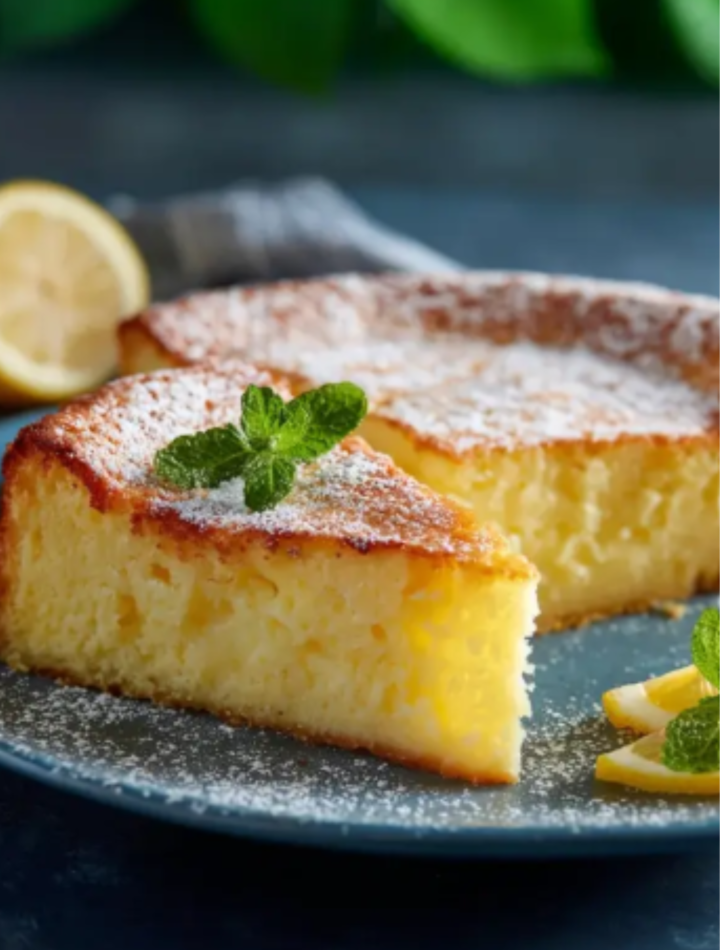
There is something magical about old-fashioned Italian desserts. Passed down from generation to generation, these recipes are filled with love, tradition, and simple ingredients that transform into something extraordinary. One such treasure is Italian Grandma’s Lemon Custard Cake, a dessert that looks elegant, tastes luxurious, and surprises everyone with its naturally formed layers.
What makes this cake so special? During baking, a single batter magically separates into three distinct layers: a light sponge cake on top, a silky lemon custard center, and a rich pudding-like base. The result is a dessert that is creamy, refreshing, and perfectly balanced between sweetness and citrus brightness.
This classic Italian-inspired cake is ideal for family gatherings, afternoon coffee breaks, spring celebrations, or whenever you’re craving a comforting homemade treat. The fresh lemon flavor gives it a light and refreshing character that keeps everyone coming back for another slice.
Why You’ll Love This Recipe
Creates beautiful layers from one simple batter.
Rich custard texture with a delicate sponge top.
Bright and refreshing lemon flavor.
Made with pantry staples.
Perfect served chilled or at room temperature.
Elegant enough for special occasions yet simple enough for everyday baking.
Ingredients
For the Cake
4 large eggs, separated
150 g (¾ cup) granulated sugar
115 g (½ cup) unsalted butter, melted and cooled
120 g (1 cup) all-purpose flour
500 ml (2 cups) whole milk, lukewarm
Zest of 2 lemons
Juice of 2 lemons (about 80 ml)
1 teaspoon vanilla extract
¼ teaspoon salt
For Garnish
Powdered sugar for dusting
Thin lemon slices (optional)
Fresh mint leaves (optional)
Equipment Needed
8×8-inch (20×20 cm) baking dish
Mixing bowls
Electric mixer or whisk
Rubber spatula
Fine grater for lemon zest
Cooling rack
Step 1: Prepare the Baking Dish
Preheat your oven to 160°C (320°F).
Lightly grease your baking dish with butter or non-stick spray. You can also line it with parchment paper for easier removal.
The relatively low baking temperature is one of the secrets to achieving the perfect custard texture. A hotter oven may cause the cake to bake unevenly and prevent the delicate layers from forming properly.
Step 2: Separate the Eggs
Carefully separate the egg whites from the yolks.
Place the egg whites into a clean bowl and set them aside.
Put the egg yolks into a larger mixing bowl. Make sure no yolk gets into the whites, as even a tiny amount of fat can prevent them from whipping properly.
Step 3: Create the Custard Base
Add the sugar to the egg yolks.
Beat the mixture until it becomes pale, creamy, and slightly thickened. This usually takes about 3 to 4 minutes with an electric mixer.
Slowly pour in the melted butter while continuing to mix.
Add the lemon zest, lemon juice, vanilla extract, and salt. Mix until fully combined.
The fresh lemon zest is what gives this cake its authentic flavor. Avoid bottled lemon juice if possible, as freshly squeezed lemons provide a much brighter and more natural taste.
Step 4: Incorporate the Flour
Gradually add the flour to the mixture.
Mix gently until smooth and free of lumps.
At this stage, the batter will appear thick, almost like a traditional cake batter.
Don’t overmix. Once the flour disappears, stop mixing to maintain a tender texture.
Step 5: Add the Milk
Slowly pour the lukewarm milk into the bowl while whisking continuously.
This step transforms the thick batter into a very thin, liquid-like mixture.
Many first-time bakers become concerned at this stage because the batter seems too runny. Don’t worry—this is exactly how it should look.
The high liquid content is responsible for creating the magical custard layers during baking.
Step 6: Whip the Egg Whites
Using a clean mixer, beat the egg whites until stiff peaks form.
The egg whites should hold their shape when the beaters are lifted.
Take care not to overwhip them, as overly dry egg whites can be difficult to incorporate smoothly.
The fluffy egg whites create the airy sponge layer that forms on top of the cake.
Step 7: Fold Everything Together
Add the whipped egg whites to the lemon mixture in three additions.
Using a spatula, gently fold them into the batter.
Do not fully incorporate the egg whites. Small lumps and floating pieces are perfectly normal and actually help create the cake’s signature layers.
The batter should look slightly uneven and airy.
Italian grandmothers often say that perfection comes from not overworking the batter. This recipe is proof that a little imperfection leads to a beautiful result.
Step 8: Bake the Cake
Pour the batter into the prepared baking dish.
Place it carefully into the preheated oven.
Bake for approximately 50 to 60 minutes.
The top should become lightly golden while the center remains slightly soft.
Avoid opening the oven door during the first 40 minutes, as sudden temperature changes can affect the layer formation.
The cake is ready when the center gently jiggles but is no longer liquid.
Step 9: Cool Completely
Remove the cake from the oven and place it on a cooling rack.
Allow it to cool completely at room temperature.
As the cake cools, the custard layer will continue to set and become wonderfully creamy.
For the best texture, refrigerate the cake for at least 2 hours before serving.
Many people actually prefer it the next day because the lemon flavor becomes even more pronounced.
Step 10: Garnish and Serve
Before serving, dust the top generously with powdered sugar.
Add fresh lemon slices or mint leaves for an elegant presentation if desired.
Cut into squares using a sharp knife wiped clean between slices.
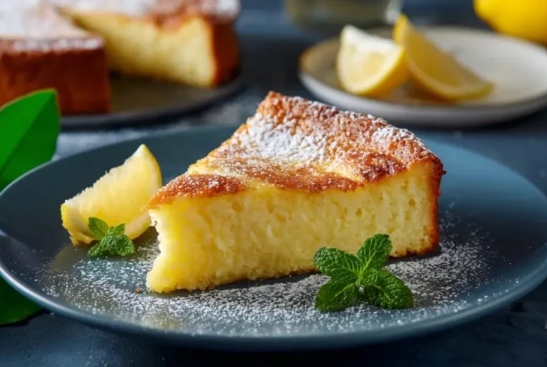
Each piece should reveal the beautiful layers: fluffy sponge on top, creamy lemon custard in the center, and a rich, velvety base.
Grandma’s Secrets for Success
Use Fresh Lemons
Fresh lemon juice and zest provide incomparable flavor. The natural oils in the zest add incredible fragrance and brightness.
Don’t Skip the Resting Time
Allowing the cake to chill helps the custard firm up and improves the overall texture.
Fold Gently
Overmixing the egg whites can eliminate the air needed to create the sponge layer.
Use Whole Milk
The fat content contributes to the silky custard consistency.
Bake Low and Slow
Patience is key. Gentle baking ensures smooth, creamy layers without curdling.
Delicious Variations
Lemon and Berry Cake
Serve with fresh raspberries, blueberries, or strawberries for a burst of color and sweetness.
Orange Custard Version
Replace the lemon juice and zest with fresh orange for a sweeter citrus flavor.
Limoncello Twist
Add 2 tablespoons of limoncello to the batter for an elegant Italian-inspired dessert.
Coconut Lemon Cake
Mix ½ cup shredded coconut into the batter for tropical notes.
Storage Tips
Store the cake covered in the refrigerator for up to 4 days.
Because of its custard layer, refrigeration is recommended.
Serve chilled for a refreshing dessert or allow it to sit at room temperature for 15 minutes before serving if you prefer a softer texture.
Final Thoughts
Italian Grandma’s Lemon Custard Cake is proof that the simplest ingredients can create something truly unforgettable. With its magical self-forming layers, bright lemon flavor, and silky custard center, this dessert delivers comfort and elegance in every bite. Whether you’re baking it for family, guests, or simply to treat yourself, this timeless recipe captures the warmth of traditional Italian home baking. One slice is enough to understand why this treasured cake has remained a beloved favorite for generations. 🍋✨