
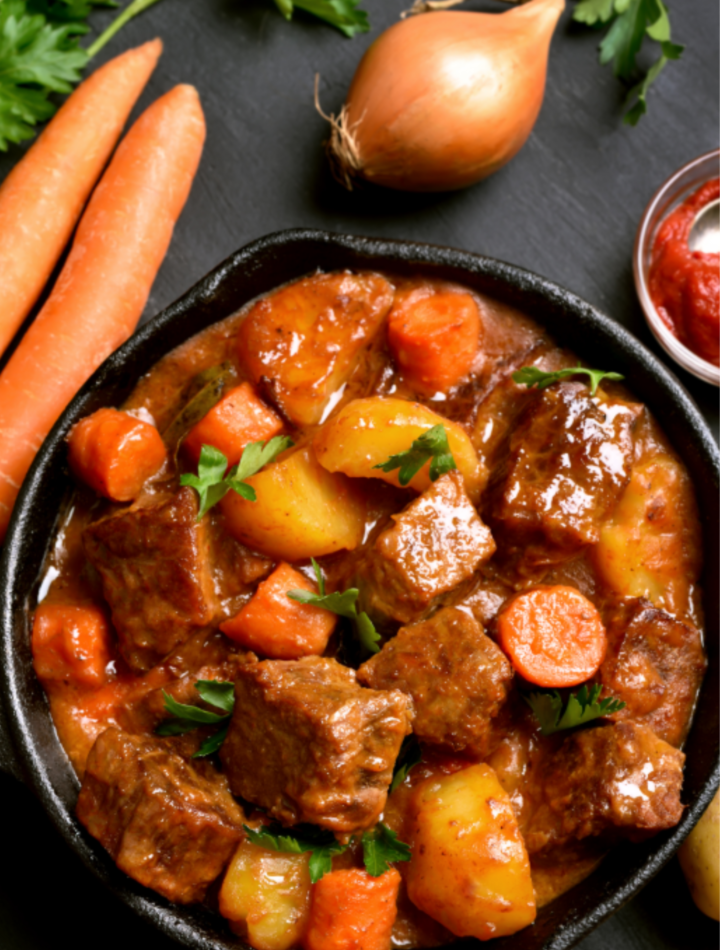
Beef and Vegetable Stew
Few meals are as comforting and satisfying as a hearty Beef and Vegetable Stew. This classic dish combines tender chunks of beef, wholesome vegetables, and a rich, flavorful broth that slowly develops depth as it cooks. Perfect for chilly evenings, family gatherings, or meal prep, this stew is a timeless favorite that fills the kitchen with irresistible aromas and delivers warmth in every spoonful.
This recipe yields approximately 6 to 8 servings and can easily be adapted to suit your favorite vegetables or seasonings. The slow cooking process transforms inexpensive cuts of beef into melt-in-your-mouth morsels while allowing the vegetables to absorb all the savory goodness of the broth.
Why You’ll Love This Recipe
Beef and Vegetable Stew is more than just a meal—it is comfort food at its finest. The long simmering time creates layers of flavor, while the vegetables provide texture, color, and nutrition. It is also an excellent one-pot meal, making cleanup simple and convenient.
The stew tastes even better the next day, as the flavors continue to meld together. This makes it ideal for leftovers, meal preparation, or freezing for future dinners.
Ingredients
For the Stew
- 2 pounds (900 g) beef chuck roast, cut into 1½-inch cubes
- 2 tablespoons all-purpose flour
- 1 teaspoon salt
- ½ teaspoon black pepper
- 2 tablespoons olive oil
- 1 large onion, diced
- 3 cloves garlic, minced
- 4 cups beef broth
- 1 cup water
- 2 tablespoons tomato paste
- 1 tablespoon Worcestershire sauce
- 2 bay leaves
- 1 teaspoon dried thyme
- ½ teaspoon dried rosemary
Vegetables
- 4 medium carrots, sliced
- 3 celery stalks, sliced
- 4 medium potatoes, peeled and cubed
- 1 cup green beans, trimmed and cut
- 1 cup peas (fresh or frozen)
- 1 cup mushrooms, sliced
Optional Garnishes
- Fresh parsley, chopped
- Cracked black pepper
- Crusty bread for serving
Equipment Needed
- Large Dutch oven or heavy-bottomed pot
- Wooden spoon
- Sharp knife
- Cutting board
- Ladle
Preparing the Beef
Begin by patting the beef cubes dry with paper towels. Removing excess moisture helps the meat brown properly.
In a bowl, combine the flour, salt, and black pepper. Toss the beef cubes in the mixture until evenly coated.
The light flour coating serves two purposes. It helps create a flavorful crust when the beef is browned and also contributes to thickening the stew during cooking.
Browning the Meat
Heat the olive oil in a large Dutch oven over medium-high heat.
Working in batches, add the beef cubes to the pot without overcrowding. Allow the beef to cook undisturbed for several minutes before turning. Brown all sides thoroughly.
Proper browning is one of the most important steps in developing flavor. The caramelized surface creates rich savory notes that enhance the entire stew.
Transfer the browned beef to a plate and repeat until all the meat has been seared.
Building the Flavor Base
Reduce the heat to medium.
Add the diced onion to the pot and cook for about 5 minutes until softened and lightly golden.
Stir in the garlic and cook for another minute until fragrant.
Add the tomato paste and stir continuously for 1 to 2 minutes. Cooking the tomato paste briefly deepens its flavor and removes any raw taste.
Pour in a small amount of the beef broth and scrape the bottom of the pot with a wooden spoon. This releases the browned bits left from searing the meat, which contain tremendous flavor.
Combining the Ingredients
Return the browned beef to the pot.
Add the remaining beef broth and water.
Stir in the Worcestershire sauce, bay leaves, thyme, and rosemary.
Bring the mixture to a gentle boil.
Once boiling, reduce the heat to low and cover partially with a lid.
Allow the stew to simmer gently for about 1½ hours.
During this time, the beef begins to break down and become increasingly tender while the broth develops a rich, savory character.
Adding the Vegetables
After the initial simmering period, add the carrots, celery, potatoes, and mushrooms.
Stir well to combine.
Continue simmering for another 45 minutes to 1 hour.
The vegetables should become tender without falling apart completely.
About 15 minutes before serving, stir in the green beans and peas.
These vegetables require less cooking time and retain better color and texture when added later.
Thickening the Stew
As the stew simmers, the flour coating on the beef naturally thickens the broth.
If you prefer a thicker consistency, mix 1 tablespoon cornstarch with 2 tablespoons cold water to form a slurry.
Stir the slurry into the simmering stew and cook for an additional 5 minutes.
The broth will become richer and more velvety.
If the stew becomes too thick, simply add a little extra broth or water until the desired consistency is reached.
Checking for Doneness
The stew is ready when:
- The beef is fork-tender
- The potatoes are soft but not mushy
- The carrots are tender
- The broth is rich and flavorful
Taste and adjust the seasoning as needed.
Additional salt, pepper, or a splash of Worcestershire sauce can help fine-tune the flavors.
Remove the bay leaves before serving.
Serving the Stew
Ladle the hot stew into bowls.
Sprinkle with freshly chopped parsley and a little cracked black pepper.
Serve alongside warm crusty bread, dinner rolls, or buttered biscuits.
The bread is perfect for soaking up the rich broth.
For a complete meal, pair the stew with a simple green salad or steamed vegetables.
Tips for Success
Choose the Right Cut of Beef
Chuck roast is one of the best choices for stew because it contains connective tissue and marbling that become tender during slow cooking.
Avoid very lean cuts, which can become dry and tough.
Brown the Beef Thoroughly
Do not rush this step.
Deep browning creates flavor compounds that contribute significantly to the final taste of the stew.
Simmer Gently
A slow simmer is ideal.
Rapid boiling can toughen the meat and cause the vegetables to break apart.
Layer the Vegetables
Adding vegetables according to their cooking times ensures each ingredient retains its ideal texture.
Taste as You Go
Broths vary in salt content, so always adjust seasonings near the end of cooking.
Variations
Red Wine Beef Stew
Replace 1 cup of beef broth with dry red wine.
The wine adds complexity and richness.
Root Vegetable Stew
Add parsnips, turnips, or sweet potatoes for additional sweetness and earthy flavor.
Herb-Rich Stew
Include fresh thyme, rosemary, and parsley for a more aromatic version.
Spicy Beef Stew
Add a pinch of cayenne pepper or red pepper flakes for gentle heat.
Slow Cooker Method
Brown the beef and vegetables first, then transfer everything to a slow cooker.
Cook on low for 7 to 8 hours or on high for 4 to 5 hours.
Storage and Reheating
Allow the stew to cool completely before storing.
Refrigerate in airtight containers for up to 4 days.
The flavors often improve overnight, making leftovers especially delicious.
To reheat, place the stew in a saucepan over medium heat and stir occasionally until hot.
You may need to add a little broth if it has thickened significantly during storage.
Freezing Instructions
Beef and Vegetable Stew freezes exceptionally well.
Place cooled stew in freezer-safe containers, leaving some space for expansion.
Freeze for up to 3 months.
Thaw overnight in the refrigerator before reheating.
Nutritional Benefits
This stew provides a balanced combination of:
- Protein from the beef
- Fiber from vegetables
- Vitamins and minerals from carrots, peas, and potatoes
- Iron and zinc from the meat
It is a nourishing meal that satisfies hunger while delivering wholesome ingredients.
Conclusion
Beef and Vegetable Stew is a classic dish that never goes out of style. Tender chunks of beef, colorful vegetables, and a deeply flavorful broth come together to create a meal that is hearty, comforting, and incredibly satisfying. Whether enjoyed on a cold winter evening, prepared for a family gathering, or made ahead for convenient meals throughout the week, this stew consistently delivers warmth and flavor. With simple ingredients and a slow-cooking approach, you can create a memorable homemade meal that brings comfort to every table.