Slow-Braised Lamb Ragu
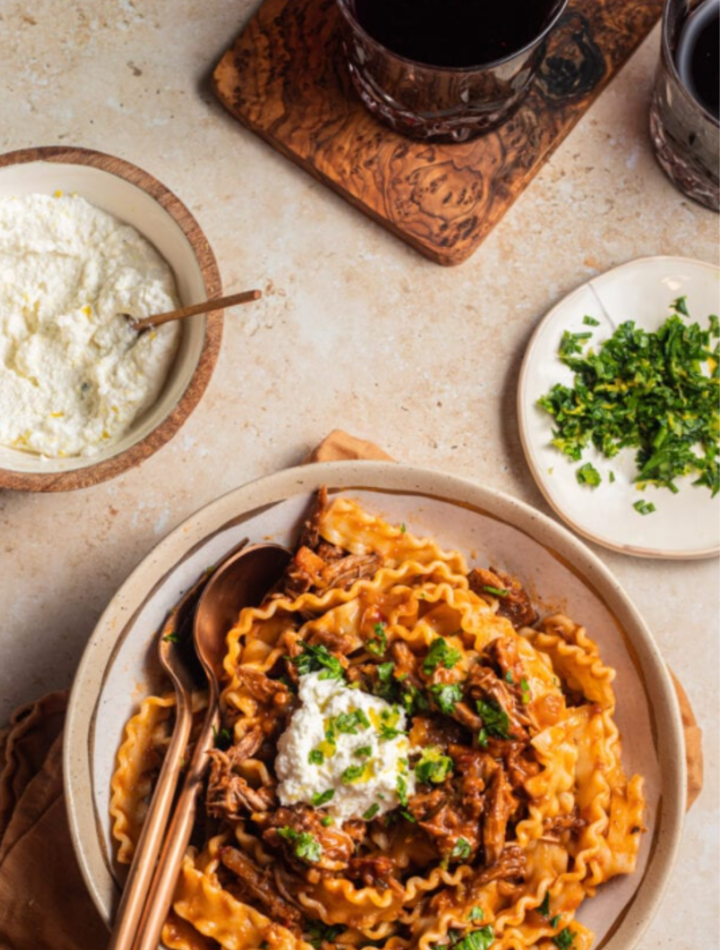
Slow-Braised Lamb Ragu is a rich, comforting Italian-inspired dish that transforms a humble cut of lamb into a deeply flavorful sauce perfect for serving over pasta, creamy polenta, or even mashed potatoes. The long, gentle cooking process allows the lamb to become incredibly tender while creating a velvety sauce infused with tomatoes, red wine, aromatic vegetables, herbs, and spices. This dish is ideal for a cozy weekend meal, a family gathering, or a special dinner when you want to impress guests with minimal hands-on effort.
The beauty of lamb ragu lies in its depth of flavor. Unlike quick pasta sauces, a proper ragu develops complexity over several hours of slow cooking. The result is a hearty, savory meal that tastes as though it came straight from a rustic countryside kitchen.
Why You’ll Love This Recipe
This Slow-Braised Lamb Ragu offers everything a comfort food lover could want. The lamb becomes fork-tender, the sauce turns silky and rich, and the aromas filling your kitchen are irresistible. It is also a versatile recipe that can be prepared in advance, and many cooks agree it tastes even better the next day after the flavors have had time to meld together.
Ingredients
For the Lamb
- 3 pounds (1.4 kg) lamb shoulder, trimmed and cut into large chunks
- 2 teaspoons kosher salt
- 1 teaspoon black pepper
- 2 tablespoons all-purpose flour
- 2 tablespoons olive oil
For the Aromatic Base
- 1 large onion, finely diced
- 2 medium carrots, finely diced
- 2 celery stalks, finely diced
- 4 cloves garlic, minced
For the Sauce
- 2 tablespoons tomato paste
- 1 can (28 ounces) crushed tomatoes
- 1 cup dry red wine
- 2 cups beef or lamb stock
- 2 bay leaves
- 2 sprigs fresh rosemary
- 4 sprigs fresh thyme
- 1 teaspoon dried oregano
For Serving
- 1 pound pappardelle pasta
- Freshly grated Parmesan cheese
- Chopped fresh parsley
- Extra virgin olive oil
Equipment
- Dutch oven or heavy braising pot
- Wooden spoon
- Sharp knife
- Cutting board
- Large pasta pot
Step 1: Prepare the Lamb
Pat the lamb shoulder pieces dry using paper towels. Removing excess moisture helps create a beautiful brown crust during searing.
Season the lamb generously with salt and pepper. Lightly dust each piece with flour.
The flour helps promote browning and contributes slightly to the final texture of the sauce.
Allow the seasoned lamb to rest at room temperature for about 20 minutes before cooking.
Step 2: Brown the Lamb
Heat the olive oil in a Dutch oven over medium-high heat.
Working in batches, sear the lamb pieces on all sides until deeply browned, about 3 to 4 minutes per side.
Avoid overcrowding the pot, as this can cause the meat to steam instead of brown.
Transfer the browned lamb to a plate and set aside.
This step is crucial because the browned exterior creates layers of flavor that will enrich the entire ragu.
Step 3: Build the Flavor Base
Reduce the heat to medium.
Add the diced onion, carrots, and celery to the pot.
Cook for about 8 to 10 minutes, stirring occasionally, until the vegetables soften and begin to caramelize.
Add the garlic and cook for one additional minute.
The vegetables form the traditional Italian soffritto, which serves as the flavor foundation of the ragu.
Step 4: Add Tomato Paste
Stir in the tomato paste.
Cook for 2 minutes, stirring continuously.
This process caramelizes the tomato paste and removes any raw flavor, creating a richer and more balanced sauce.
The mixture should become slightly darker and fragrant.
Step 5: Deglaze with Wine
Pour the red wine into the pot.
As it simmers, use a wooden spoon to scrape up all the browned bits stuck to the bottom.
These flavorful bits contain concentrated taste from the seared lamb and vegetables.
Allow the wine to simmer for about 8 to 10 minutes until reduced by roughly half.
The reduction intensifies the wine’s flavor while eliminating much of the alcohol.
Step 6: Build the Braising Liquid
Add the crushed tomatoes and stock.
Stir well to combine.
Add:
- Bay leaves
- Rosemary sprigs
- Thyme sprigs
- Dried oregano
Return the browned lamb to the pot along with any accumulated juices.
The liquid should mostly cover the meat while leaving a small portion exposed.
Bring the mixture to a gentle simmer.
Step 7: Slow Braise
Cover the Dutch oven with a tight-fitting lid.
Reduce the heat to low or transfer the pot to a preheated 325°F (163°C) oven.
Cook for approximately 3 to 4 hours.
Check occasionally to ensure the liquid maintains a gentle simmer.
The lamb is ready when it easily falls apart when pressed with a fork.
During this long cooking process, collagen breaks down into gelatin, creating a silky texture and extraordinary richness.
Step 8: Shred the Lamb
Carefully remove the lamb pieces from the pot.
Discard the bay leaves and herb stems.
Using two forks, shred the meat into bite-sized pieces.
The meat should pull apart effortlessly.
Return the shredded lamb to the sauce and stir well.
At this stage, the ragu begins to take on its classic hearty texture.
Step 9: Reduce the Sauce
Continue simmering the ragu uncovered for 20 to 30 minutes.
This final reduction thickens the sauce and concentrates the flavors.
Taste and adjust seasoning with additional salt and pepper if needed.
If the sauce becomes too thick, add a small amount of stock.
The finished ragu should be rich, thick, and capable of coating pasta beautifully.
Step 10: Cook the Pasta
Bring a large pot of salted water to a boil.
Cook the pappardelle according to package instructions until al dente.
Reserve about one cup of pasta water before draining.
The reserved pasta water can help adjust the consistency of the final dish if necessary.
Step 11: Combine Pasta and Ragu
Add the cooked pasta directly to the pot of ragu.
Toss gently to coat every strand with the rich sauce.
If needed, add a small splash of pasta water to loosen the mixture.
Allow everything to cook together for 1 to 2 minutes.
This step helps the pasta absorb some of the sauce and creates a more cohesive dish.
Step 12: Serve
Divide the pasta among serving bowls.
Top generously with:
- Freshly grated Parmesan cheese
- Chopped parsley
- A drizzle of extra virgin olive oil
Serve immediately while hot.
The aroma of tender lamb, herbs, tomatoes, and wine will make this meal impossible to resist.
Tips for Success
Choose Lamb Shoulder
Lamb shoulder contains enough fat and connective tissue to become wonderfully tender during braising.
Don’t Skip the Browning
Deep browning creates complex flavors that are essential to a great ragu.
Cook Low and Slow
Rushing the cooking process will not allow the connective tissue to break down properly.
Make It Ahead
The ragu often tastes even better after resting overnight in the refrigerator.
Freeze Extra Portions
This sauce freezes exceptionally well for future meals.
Variations
Spicy Lamb Ragu
Add crushed red pepper flakes for a gentle heat.
Mushroom Lamb Ragu
Incorporate sliced mushrooms during the vegetable stage for extra earthiness.
Herb-Forward Version
Increase the rosemary and thyme for a more aromatic sauce.
Creamy Lamb Ragu
Stir in a small amount of heavy cream at the end for added richness.
Storage
Store leftover ragu in an airtight container in the refrigerator for up to 4 days.
Freeze for up to 3 months.
Reheat gently over low heat, adding a splash of stock if necessary.
Conclusion
Slow-Braised Lamb Ragu is the ultimate example of how patience and simple ingredients can create an extraordinary meal. The combination of tender lamb, aromatic vegetables, tomatoes, wine, and herbs produces a sauce that is deeply savory, rich, and comforting. Served over ribbons of pappardelle and topped with Parmesan cheese, this dish delivers restaurant-quality flavor from the comfort of your own kitchen.
Whether you’re preparing a special Sunday dinner or looking for a hearty make-ahead meal, this Slow-Braised Lamb Ragu is guaranteed to become a favorite recipe that you’ll return to again and again. Enjoy every comforting bite.