
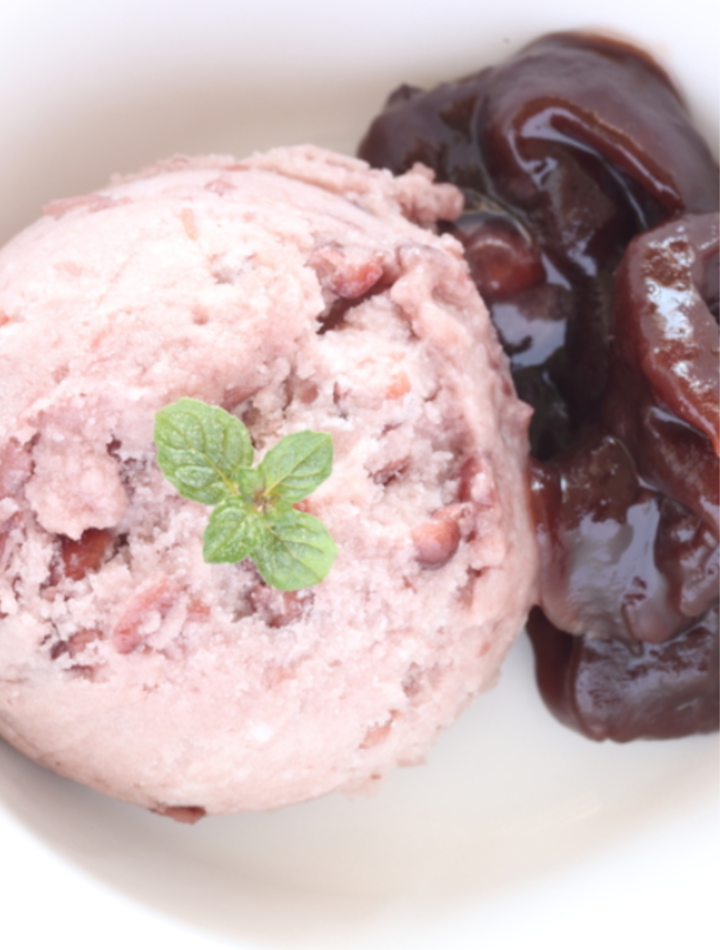
Learn to Make Authentic Japanese Azuki Red Bean Ice Cream
Japanese Azuki Red Bean Ice Cream is a beloved dessert that beautifully combines the creamy richness of ice cream with the subtly sweet, nutty flavor of azuki beans. Popular throughout Japan, this frozen treat can be found in traditional sweet shops, modern cafés, and convenience stores. The unique taste of sweetened red beans paired with smooth vanilla cream creates a dessert that is both refreshing and comforting.
Azuki beans have been used in Japanese desserts for centuries. They are commonly cooked into a sweet paste called anko, which is used in pastries, mochi, pancakes, and ice cream. In this recipe, you’ll learn how to make authentic Japanese-style Azuki Red Bean Ice Cream from scratch, including preparing the sweet red bean mixture and creating a rich, creamy ice cream base.
What Makes Azuki Red Bean Ice Cream Special?
Unlike many Western ice cream flavors that rely heavily on chocolate, caramel, or fruit, Japanese desserts often focus on subtle sweetness and natural ingredients. Azuki beans provide a delicate earthy flavor that complements dairy beautifully without overpowering it.
The result is a dessert that is:
- Smooth and creamy
- Lightly sweet
- Rich in texture
- Unique and authentic
- Perfect for warm weather or after meals
Preparation Time
- Preparation: 30 minutes
- Cooking Time: 1 hour 15 minutes
- Chilling Time: 6 hours
- Freezing Time: 4–6 hours
- Total Time: Approximately 12 hours
- Yield: 6–8 servings
Ingredients
For the Sweet Azuki Beans
- 1 cup dried azuki beans
- 4 cups water
- ¾ cup granulated sugar
- Pinch of salt
For the Ice Cream Base
- 2 cups heavy cream
- 1 cup whole milk
- 4 large egg yolks
- ½ cup granulated sugar
- 1 teaspoon pure vanilla extract
- Pinch of salt
Optional Garnishes
- Sweet red bean paste
- Toasted sesame seeds
- Mochi pieces
- Matcha powder
- Fresh strawberries
Understanding Azuki Beans
Azuki beans are small red beans commonly used in East Asian cuisine. They have a mild flavor and become creamy when cooked.
In Japanese desserts, azuki beans are often sweetened rather than served savory. Their natural nuttiness pairs wonderfully with sugar, making them ideal for desserts like:
- Dorayaki
- Taiyaki
- Daifuku mochi
- Yokan
- Kakigori
- Ice cream
If you can find Japanese azuki beans at an Asian grocery store, they will provide the most authentic flavor.
Step 1: Prepare the Azuki Beans
Sort through the dried beans and remove any debris or damaged beans.
Rinse thoroughly under cold water.
Place the beans into a medium saucepan and add 4 cups of water.
Bring to a boil over medium-high heat.
Boil for 5 minutes.
Drain the beans completely and discard the water.
This traditional Japanese technique helps remove bitterness and improves flavor.
Return the beans to the pot.
Add 4 fresh cups of water.
Bring to a gentle boil.
Reduce heat to low.
Cover partially and simmer for approximately 45–60 minutes.
The beans should become soft enough to mash easily between your fingers.
Step 2: Sweeten the Beans
Once the beans are tender, drain most of the cooking liquid, leaving about ½ cup in the pot.
Add:
- ¾ cup sugar
- Pinch of salt
Cook over low heat.
Stir frequently.
The beans will gradually absorb the sugar and become glossy.
Continue cooking for 10–15 minutes.
The mixture should be thick but still slightly moist.
Allow the sweetened beans to cool completely.
Set aside.
Step 3: Prepare the Custard Base
In a medium bowl, whisk together:
- Egg yolks
- Sugar
Continue whisking until pale and slightly thickened.
In a saucepan combine:
- Whole milk
- Pinch of salt
Heat over medium heat until steaming but not boiling.
Slowly pour a small amount of the hot milk into the egg mixture while whisking constantly.
This process, called tempering, prevents the eggs from scrambling.
Gradually add the remaining milk.
Whisk until smooth.
Step 4: Cook the Custard
Return the mixture to the saucepan.
Cook over low heat.
Stir constantly using a wooden spoon or silicone spatula.
The custard is ready when it thickens enough to coat the back of the spoon.
The temperature should reach approximately 170–175°F (77–80°C).
Do not allow it to boil.
Boiling can cause the eggs to curdle.
Remove from heat immediately.
Step 5: Add the Cream
Pour the custard through a fine mesh strainer into a clean bowl.
This ensures a silky-smooth texture.
Add:
- Heavy cream
- Vanilla extract
Whisk thoroughly.
Allow the mixture to cool to room temperature.
Cover and refrigerate for at least 4–6 hours or overnight.
A thoroughly chilled base churns more effectively and creates smoother ice cream.
Step 6: Combine with Azuki Beans
Reserve about ½ cup of the sweet beans for mixing in later.
Stir the remaining beans directly into the chilled custard base.
For a smoother texture, you may lightly mash some of the beans.
For a more traditional style, leave them mostly whole.
The beans should be evenly distributed throughout the mixture.
Step 7: Churn the Ice Cream
Pour the mixture into your ice cream maker.
Follow the manufacturer’s instructions.
Most machines require approximately 20–30 minutes of churning.
During the final few minutes, add the reserved sweet beans.
This creates delightful pockets of bean texture throughout the finished ice cream.
The ice cream should resemble soft-serve consistency when finished.
Step 8: Freeze Until Firm
Transfer the churned ice cream into a freezer-safe container.
Smooth the surface.
Cover tightly.
Freeze for at least 4 hours.
Overnight freezing will provide the best texture.
Step 9: Serve
Allow the ice cream to sit at room temperature for 5 minutes before scooping.
This softens it slightly and makes serving easier.
Scoop into bowls, cones, or dessert glasses.
Garnish with:
- Extra sweet azuki beans
- Mochi cubes
- Matcha dusting
- Sesame seeds
Serve immediately.
Tips for Perfect Azuki Ice Cream
Use Fresh Beans
Older beans may take much longer to soften and can develop a less pleasant texture.
Chill Thoroughly
Cold custard creates smoother ice cream and minimizes ice crystals.
Don’t Over-Sweeten
Traditional Japanese desserts are generally less sweet than Western desserts.
Allow the flavor of the beans to remain the star.
Maintain Texture
Leaving some whole beans in the mixture provides an authentic Japanese ice cream experience.
Variations
Matcha Azuki Ice Cream
Add 2 teaspoons matcha powder to the custard base before chilling.
Matcha and azuki are a classic Japanese pairing.
Mochi Azuki Ice Cream
Fold small cubes of mochi into the finished ice cream before freezing.
Coconut Azuki Ice Cream
Replace half of the dairy cream with coconut cream for a tropical variation.
Black Sesame Azuki Ice Cream
Add 2 tablespoons black sesame paste for a nutty, aromatic flavor.
Storage
Store in an airtight container in the freezer.
Best enjoyed within 2 weeks for optimal flavor and texture.
To prevent freezer burn, place a piece of parchment paper directly on the surface before sealing the container.
Final Thoughts
Authentic Japanese Azuki Red Bean Ice Cream is a wonderful introduction to traditional Japanese desserts. Its combination of creamy custard, sweet red beans, and balanced sweetness creates a sophisticated treat that feels both comforting and elegant. While it requires some patience to prepare, the reward is a homemade dessert that rivals those found in Japan’s finest cafés and sweet shops.
Whether served on its own, alongside mochi, or paired with matcha tea, this Azuki Red Bean Ice Cream offers a delicious taste of Japanese culinary tradition that you can enjoy from your own kitchen. Enjoy every creamy, sweet, and satisfying spoonful.