
Grandma’s Surprise Onion Soup Bread (1968)
There is something magical about old family recipes, especially the ones passed from one generation to the next on faded recipe cards splattered with flour and butter stains. Grandma’s Surprise Onion Soup Bread, first baked in 1968, is one of those treasured comfort recipes that filled kitchens with warmth, laughter, and irresistible aromas. This rustic savory bread became popular during the late 1960s when home cooks embraced convenience ingredients like dried onion soup mix while still creating dishes that felt homemade and special.
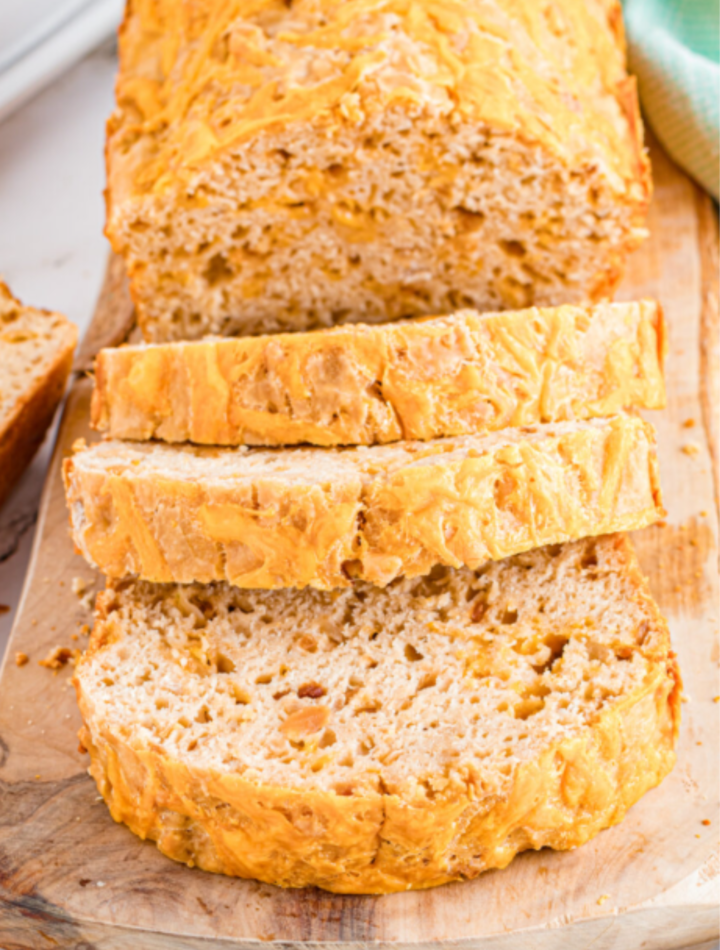
This bread is soft on the inside, golden and crusty on the outside, and packed with rich onion flavor. It works beautifully as a side for soups, stews, and roast dinners, but it is just as satisfying toasted with butter for breakfast or sliced thick for sandwiches. The “surprise” in the recipe comes from a hidden layer of buttery caramelized onions baked right into the center, giving every slice extra flavor and moisture.
Below is a complete, old-fashioned version of Grandma’s Surprise Onion Soup Bread, prepared with simple pantry ingredients and plenty of nostalgic charm.
Ingredients
For the Bread Dough
- 4 cups all-purpose flour
- 1 package active dry yeast (2 ¼ teaspoons)
- 1 packet onion soup mix
- 1 tablespoon sugar
- 1 teaspoon salt
- 1 ¼ cups warm water (about 110°F)
- ¼ cup whole milk
- 2 tablespoons unsalted butter, softened
- 1 large egg
For the Surprise Onion Filling
- 2 medium yellow onions, thinly sliced
- 2 tablespoons butter
- 1 teaspoon brown sugar
- Pinch of black pepper
For the Topping
- 1 tablespoon melted butter
- ½ teaspoon garlic powder
- Optional parsley flakes for garnish
Step 1: Activate the Yeast
In a large mixing bowl, combine the warm water, sugar, and yeast. Stir gently and let the mixture rest for about 5 to 10 minutes until it becomes foamy. This step is important because it wakes up the yeast and ensures the bread will rise properly.
Grandma always said you could tell good bread by the smell of the yeast before the dough was even mixed. The warm, slightly sweet aroma is the first sign that something wonderful is coming.
Step 2: Prepare the Onion Filling
While the yeast activates, melt 2 tablespoons of butter in a skillet over medium heat. Add the sliced onions and cook slowly for about 15 minutes, stirring occasionally. Sprinkle in the brown sugar and black pepper.
The onions should become soft, sweet, and lightly golden brown. Avoid rushing this step because caramelized onions create the rich flavor hidden inside the loaf.
Set the onions aside to cool slightly.
Step 3: Mix the Dough
Add the onion soup mix, milk, softened butter, egg, and salt to the yeast mixture. Stir well. Gradually add the flour, one cup at a time, mixing until a shaggy dough forms.
Turn the dough onto a lightly floured surface and knead for about 8 to 10 minutes until smooth and elastic. If the dough feels too sticky, add a little extra flour, one tablespoon at a time.
Kneading is one of the secrets to old-fashioned homemade bread. Grandma used to knead dough by hand on a flour sack towel while listening to the radio in her tiny kitchen. She believed bread carried the spirit of the cook, and every loaf should be handled with care.
Step 4: First Rise
Place the dough into a greased bowl and cover with a clean kitchen towel. Let it rise in a warm place for about 1 to 1 ½ hours, or until doubled in size.
A sunny countertop or slightly warm oven works perfectly. During this stage, the yeast creates air pockets that give the bread its soft texture.
You’ll know the dough is ready when you gently press a finger into it and the indentation remains.
Step 5: Shape the Bread
Punch down the dough to release excess air. Roll it out on a lightly floured surface into a rectangle approximately 9×14 inches.
Spread the caramelized onions evenly over the dough, leaving a small border around the edges. Roll the dough tightly like a jelly roll, pinching the seam closed.
Place the loaf seam-side down into a greased 9×5-inch loaf pan.
This hidden onion layer is what made the bread so memorable at family dinners. Guests often thought it was ordinary homemade bread until they sliced into it and discovered the savory filling inside.
Step 6: Second Rise
Cover the loaf loosely with a towel and let it rise again for about 40 minutes until puffy.
The second rise helps create a lighter loaf with a beautiful texture. Skipping this step would make the bread dense instead of airy.
Meanwhile, preheat your oven to 375°F.
Step 7: Bake the Bread
Brush the top of the loaf with melted butter and sprinkle lightly with garlic powder and parsley flakes if desired.
Bake for 35 to 40 minutes until the top is deep golden brown and the loaf sounds hollow when tapped.
If the top browns too quickly, loosely cover it with aluminum foil during the last 10 minutes of baking.
The smell that fills the kitchen during baking is unforgettable: buttery onions, warm yeast bread, and savory herbs blending together into pure comfort.
Step 8: Cool and Serve
Remove the bread from the oven and allow it to cool in the pan for about 10 minutes before transferring to a wire rack.
Letting the bread cool slightly helps the inside finish setting properly. Slicing too early can make homemade bread gummy.
Serve warm with:
- Soft salted butter
- Cream cheese
- Beef stew
- Chicken soup
- Chili
- Roasted meats
This bread also makes incredible grilled cheese sandwiches.
Tips for the Best Onion Soup Bread
Use Fresh Yeast
Always check the expiration date on your yeast packet. Fresh yeast creates a better rise and lighter texture.
Don’t Overheat the Water
Water that is too hot can kill the yeast. Aim for warm bathwater temperature.
Caramelize Slowly
Slow-cooked onions create sweetness and depth. Quick-cooked onions won’t provide the same flavor.
Add Cheese
For a richer version, sprinkle shredded Swiss or cheddar cheese over the onion filling before rolling the loaf.
Make It Rustic
Shape the dough into a round artisan loaf instead of using a loaf pan for a more old-world appearance.
Why This Recipe Became Popular in 1968
During the late 1960s, families loved recipes that combined convenience with homemade flavor. Packaged onion soup mix became a kitchen staple because it added instant seasoning to casseroles, dips, meatloaf, and breads.
Home baking was also deeply connected to family traditions. Bread recipes like this one appeared at church suppers, holiday dinners, and Sunday family meals across America.
Grandma’s version stood out because of the hidden caramelized onion center, which transformed simple pantry ingredients into something memorable and comforting.
Storage Tips
This bread stays fresh for about 3 days at room temperature when wrapped tightly.
To freeze:
- Let the loaf cool completely.
- Wrap tightly in plastic wrap and foil.
- Freeze for up to 2 months.
Thaw at room temperature and warm in the oven before serving.
Delicious Variations
Herb Onion Bread
Add rosemary, thyme, or dill to the dough.
Bacon Onion Bread
Mix crispy crumbled bacon into the onion filling.
Cheddar Onion Bread
Add shredded sharp cheddar for extra richness.
Whole Wheat Version
Replace half the all-purpose flour with whole wheat flour for a heartier texture.
Final Thoughts
Grandma’s Surprise Onion Soup Bread (1968) is more than a recipe — it is a reminder of how food connects generations. With its golden crust, soft interior, and savory onion filling, this bread brings old-fashioned comfort to any table.
Whether served beside a bowl of soup on a cold evening or toasted with butter the next morning, every slice carries the warmth and simplicity of home cooking from another era. One bite explains why recipes like this survived for decades: they are humble, satisfying, and made with love.