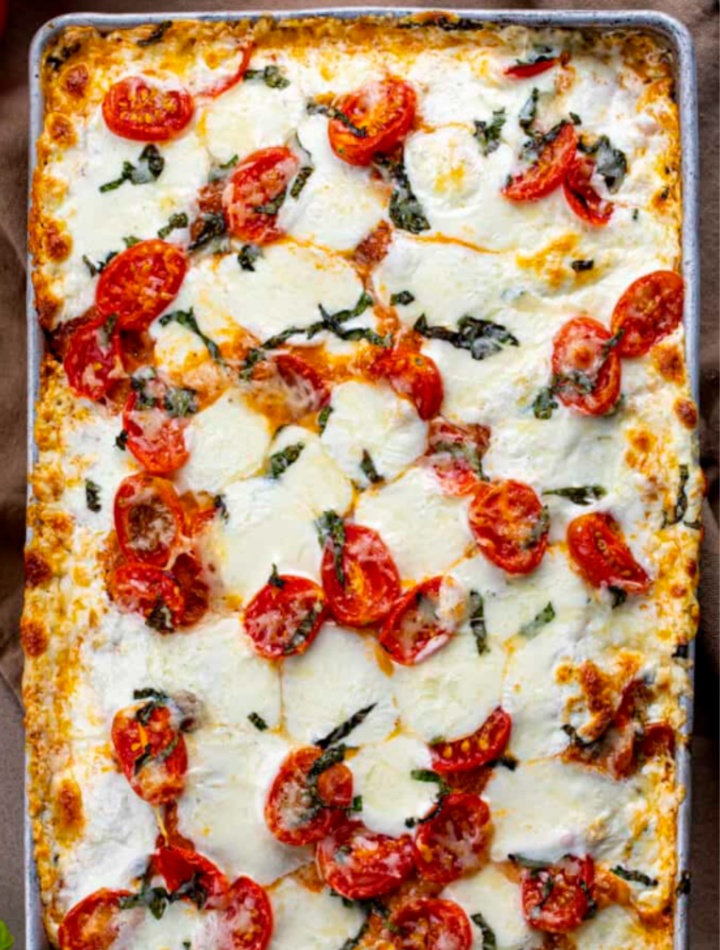
There’s something magical about the aroma of freshly baked focaccia filling your home. Soft, airy, golden, and drizzled with fragrant olive oil, focaccia is one of Italy’s most beloved breads. Add the classic flavors of a Margherita pizza—juicy tomatoes, creamy mozzarella, fresh basil, and a touch of Parmesan—and you’ve created a showstopping bread that’s perfect for lunch, dinner, appetizers, or entertaining.
This Margherita Focaccia Bread combines the crisp edges of traditional focaccia with the irresistible flavors of Italy’s most iconic pizza. The dough develops incredible flavor thanks to a slow rise, while generous dimples trap pools of olive oil that bake into the crust, creating a crispy exterior and a wonderfully fluffy interior.
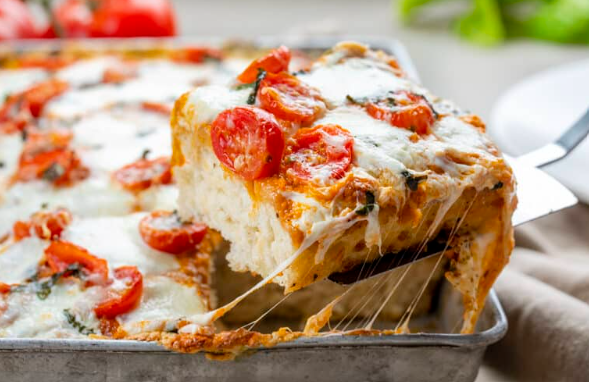
Whether you’re serving it alongside pasta, enjoying it as a snack, or turning it into gourmet sandwiches, this homemade focaccia will quickly become a family favorite.
Why You’ll Love This Recipe
Crispy golden crust with a soft, airy center
Loaded with fresh mozzarella and juicy tomatoes
Perfect balance of herbs, cheese, and olive oil
Beginner-friendly bread recipe
Great for meal prep
Tastes amazing warm or at room temperature
Beautiful enough for parties and gatherings
Ingredients
For the Dough
500g (4 cups) bread flour
7g (2¼ teaspoons) instant yeast
10g (2 teaspoons) salt
1 teaspoon sugar
400ml (1⅔ cups) warm water
3 tablespoons extra virgin olive oil
For the Topping
250g fresh mozzarella, sliced and patted dry
2 ripe tomatoes, sliced thin
½ cup grated Parmesan cheese
Fresh basil leaves
4 tablespoons extra virgin olive oil
1 teaspoon dried oregano
Flaky sea salt
Freshly cracked black pepper
Optional Garnishes
Cherry tomatoes
Roasted garlic cloves
Crushed red pepper flakes
Balsamic glaze
Fresh thyme
Equipment Needed
Large mixing bowl
Wooden spoon or dough whisk
9×13-inch baking pan
Plastic wrap or kitchen towel
Pastry brush
Cooling rack
Step 1: Prepare the Dough
In a large mixing bowl, combine the bread flour, yeast, sugar, and salt.
Pour in the warm water followed by the olive oil.
Mix until no dry flour remains.
The dough will appear wetter than traditional bread dough. This is exactly what you want. High hydration is what creates focaccia’s famous airy texture.
Cover the bowl with plastic wrap or a clean towel.
Let the dough rest for 15 minutes.
Step 2: Stretch and Fold
Instead of kneading, perform stretch-and-folds.
Wet your hands slightly.
Grab one edge of the dough.
Stretch upward.
Fold it over itself.
Rotate the bowl and repeat four times.
Cover and let rest for 30 minutes.
Repeat this process three more times.
Each fold strengthens the gluten while keeping the dough light and airy.
Step 3: First Rise
Cover the dough tightly.
Allow it to rise for 1½ to 2 hours until doubled in size.
If your kitchen is cool, it may take longer.
For even better flavor, refrigerate overnight after the first rise.
The slow fermentation develops incredible depth and makes the dough easier to handle.
Step 4: Prepare the Baking Pan
Generously coat your baking pan with olive oil.
Don’t be shy.
The oil helps create the signature crispy bottom crust.
Transfer the risen dough into the pan.
Gently stretch it toward the edges.
If it resists stretching, wait 15 minutes before trying again.
Eventually it will naturally fill the pan.
Step 5: Second Rise
Cover the pan.
Allow the dough to rise again for 45–60 minutes.
It should become noticeably puffy.
Meanwhile, preheat your oven to 220°C (425°F).
Step 6: Create the Famous Focaccia Dimples
Drizzle two tablespoons of olive oil over the surface.
Coat your fingertips with oil.
Press your fingers deeply into the dough.
Create dimples all over the surface.
These little pockets catch olive oil while baking, producing rich flavor and beautiful texture.
Step 7: Add the Margherita Toppings
Arrange the tomato slices evenly over the dough.
Scatter the mozzarella slices across the surface.
Sprinkle Parmesan evenly.
Season with oregano, flaky sea salt, and freshly cracked black pepper.
Finish with another drizzle of olive oil.
Avoid overcrowding the bread.
Too many toppings can prevent even baking.
Step 8: Bake
Bake for 25–30 minutes.
The crust should become deep golden brown.
The cheese will bubble beautifully while the tomatoes roast slightly.
If needed, broil for the final minute to add extra color.
Watch carefully to prevent burning.
Step 9: Add Fresh Basil
Remove the focaccia from the oven.
Immediately scatter fresh basil leaves across the hot bread.
The residual heat gently wilts the basil while preserving its bright flavor.
For an extra luxurious finish, drizzle with additional olive oil.
Step 10: Cool and Serve
Allow the bread to cool for about 10 minutes.
Slice into squares.
Serve warm.
The contrast between crispy crust, fluffy interior, melted cheese, and fresh basil is simply irresistible.
Tips for Perfect Focaccia
Use bread flour whenever possible.
Its higher protein content produces stronger gluten and a chewier crumb.
Don’t add too much extra flour.
Sticky dough creates airy bread.
Always use high-quality extra virgin olive oil.
Its flavor is one of the stars of this recipe.
Dry your mozzarella thoroughly.
Fresh mozzarella contains lots of moisture.
Patting it dry prevents soggy bread.
Use ripe tomatoes.
Their sweetness balances the richness of the cheese and olive oil.
Delicious Variations
Burrata Margherita
Replace mozzarella with creamy burrata after baking.
Pesto Focaccia
Spread basil pesto beneath the cheese.
Garlic Lovers
Add roasted garlic cloves throughout the dough.
Spicy Version
Top with chili flakes and hot honey.
Mediterranean Style
Add olives, artichokes, and sun-dried tomatoes.
Serving Suggestions
Margherita focaccia pairs wonderfully with:
Tomato basil soup
Caesar salad
Grilled chicken
Pasta primavera
Minestrone soup
Italian charcuterie boards
Roasted vegetables
Fresh burrata
Antipasto platters
It also makes incredible sandwiches filled with grilled vegetables, prosciutto, turkey, or fresh mozzarella.
Storage
Store leftover focaccia in an airtight container at room temperature for up to two days.
For longer storage, refrigerate for up to five days.
Warm slices in a 180°C (350°F) oven for about 5–8 minutes to restore the crisp crust.
Avoid microwaving if possible, as it softens the bread.
Freezing Instructions
Focaccia freezes beautifully.
Allow it to cool completely.
Wrap individual slices tightly in plastic wrap followed by aluminum foil.
Freeze for up to three months.
Reheat directly from frozen in a 180°C oven until warmed through.
Nutritional Information (Approximate Per Serving)
Calories: 320
Protein: 11g
Carbohydrates: 38g
Fat: 14g
Saturated Fat: 5g
Fiber: 2g
Sugar: 2g
Sodium: 460mg
Values will vary depending on the cheeses and toppings used.
Common Mistakes to Avoid
One of the biggest mistakes is adding too much flour because the dough feels sticky. Focaccia dough should be soft and wet; this high hydration creates the large air pockets that make the bread light and fluffy.
Another common issue is skipping the second rise. This final proof allows the dough to become airy and ensures a tender crumb after baking.
Don’t forget to oil the pan generously. The olive oil fries the bottom of the bread slightly as it bakes, producing the signature crisp, golden crust.
Finally, avoid adding wet mozzarella straight from its package. Excess moisture can make the bread soggy. Pat the cheese dry with paper towels before placing it on the dough.
Final Thoughts
Margherita Focaccia Bread is a delicious fusion of two Italian classics: the rustic charm of focaccia and the timeless flavors of Margherita pizza. Every bite delivers a satisfying contrast of textures, from the crisp, olive oil–kissed crust to the airy interior, finished with creamy mozzarella, sweet roasted tomatoes, savory Parmesan, and fragrant basil. Whether you’re baking for a cozy family meal, a picnic, or a festive gathering, this recipe is sure to impress. Once you’ve mastered it, you’ll find yourself experimenting with seasonal toppings and making it again and again. Fresh from the oven and shared with loved ones, this homemade focaccia is comfort food at its finest.