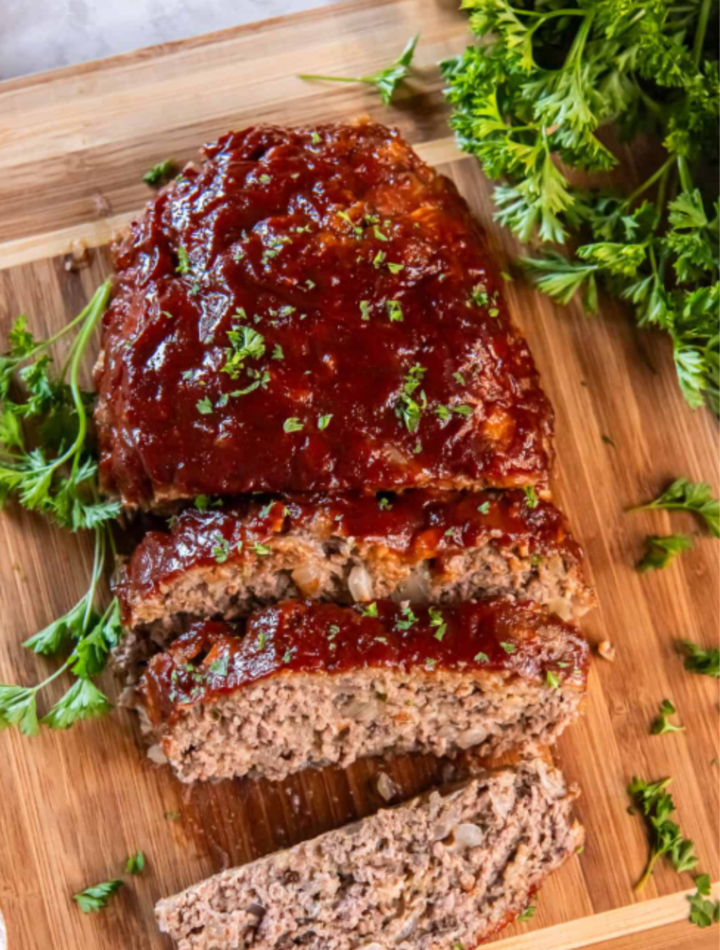
Classic Meatloaf Recipe
Few comfort foods are as satisfying and nostalgic as a homemade meatloaf fresh from the oven. Meatloaf is a timeless dish that has been enjoyed by families for generations because it is hearty, flavorful, affordable, and easy to prepare. With its juicy texture, savory seasoning, and delicious glaze, meatloaf is the kind of meal that instantly makes a dinner table feel warm and welcoming. Whether served with mashed potatoes, roasted vegetables, or a simple salad, this classic recipe delivers comfort in every bite.
The beauty of meatloaf lies in its versatility. It can be made with beef, pork, turkey, or a mixture of meats. Different herbs, spices, sauces, and fillings can completely transform the flavor while still preserving the comforting essence of the dish. This traditional meatloaf recipe focuses on creating a tender and juicy loaf with a rich glaze that caramelizes beautifully in the oven.
Ingredients
For the meatloaf, you will need:
- 2 pounds ground beef
- 1 cup breadcrumbs
- 1 medium onion, finely chopped
- 3 cloves garlic, minced
- 2 large eggs
- 1/2 cup milk
- 1/3 cup ketchup
- 1 tablespoon Worcestershire sauce
- 1 teaspoon salt
- 1 teaspoon black pepper
- 1 teaspoon dried parsley
- 1 teaspoon Italian seasoning
- 1/2 teaspoon smoked paprika
For the glaze:
- 1/2 cup ketchup
- 2 tablespoons brown sugar
- 1 tablespoon mustard
These ingredients create a flavorful and moist meatloaf with a sweet and tangy topping that balances the savory richness of the meat perfectly.
Preparing the Ingredients
Before you begin mixing the meatloaf, prepare all your ingredients. Finely chop the onion so it blends evenly into the mixture. Mince the garlic for maximum flavor distribution. Measure the seasonings carefully to ensure balanced flavor throughout the loaf.
Breadcrumbs are important because they help bind the meatloaf together while also keeping it tender. Milk softens the breadcrumbs, creating a softer texture. Eggs act as the main binder, helping the loaf hold its shape during baking.
You can use plain breadcrumbs, seasoned breadcrumbs, or even crushed crackers. Some people also use oats for a heartier texture.
Mixing the Meatloaf
Preheat your oven to 375°F (190°C). Lightly grease a baking dish or line it with parchment paper.
In a large mixing bowl, combine the breadcrumbs and milk first. Let the mixture sit for a few minutes so the breadcrumbs absorb the milk. This step helps create a moist meatloaf instead of a dense or dry one.
Add the ground beef, chopped onion, garlic, eggs, ketchup, Worcestershire sauce, salt, pepper, parsley, Italian seasoning, and smoked paprika. Use clean hands or a spoon to gently mix everything together until just combined.
One of the most important tips for meatloaf is not to overmix the meat. Overworking the mixture can make the meatloaf tough instead of tender. Mix only until the ingredients are evenly incorporated.
Shaping the Loaf
Transfer the meat mixture to the prepared baking dish and shape it into a loaf about 8 inches long and 4 inches wide. Try to keep the thickness even so it cooks uniformly.
Some people prefer using a loaf pan, which creates a neat shape. However, shaping the loaf by hand on a baking sheet allows the edges to caramelize better and prevents excess grease from collecting around the meat.
If desired, you can place the loaf on a wire rack inside the baking dish so the fat drips away during cooking.
Making the Glaze
The glaze is one of the best parts of a classic meatloaf. It adds moisture, flavor, and a beautiful glossy finish.
In a small bowl, mix together the ketchup, brown sugar, and mustard until smooth. The ketchup provides sweetness and tanginess, the brown sugar helps caramelize the glaze, and the mustard adds a slight sharpness that balances the flavors.
Spread half of the glaze evenly over the top of the meatloaf before baking.
Baking the Meatloaf
Place the meatloaf in the preheated oven and bake for 40 minutes.
After 40 minutes, remove the meatloaf from the oven and spread the remaining glaze over the top. Return it to the oven and continue baking for another 15 to 20 minutes, or until the internal temperature reaches 160°F (71°C).
The second layer of glaze creates a rich and sticky coating that becomes slightly caramelized as it bakes.
Resting Before Slicing
Once the meatloaf is fully cooked, remove it from the oven and let it rest for about 10 minutes before slicing.
Resting is essential because it allows the juices to redistribute throughout the meat. Cutting into the loaf immediately can cause the juices to run out, leaving the meatloaf dry.
Use a sharp knife to cut thick slices and serve warm.
Serving Suggestions
Meatloaf pairs beautifully with many side dishes. Some classic options include:
- Creamy mashed potatoes
- Roasted carrots
- Green beans
- Buttered corn
- Macaroni and cheese
- Garlic bread
- Garden salad
The rich flavor of meatloaf also works wonderfully with gravy or additional ketchup on the side.
Leftover meatloaf can be used for sandwiches the next day. Thick slices on toasted bread with mayonnaise, lettuce, and tomato make an incredibly satisfying lunch.
Tips for the Best Meatloaf
Use Meat with Some Fat
Ground beef with a little fat produces the juiciest meatloaf. Lean beef can sometimes create a drier texture. An 80/20 blend is often ideal.
Sauté the Vegetables
For extra flavor and softer texture, sauté the onions and garlic before adding them to the meat mixture. This removes excess moisture and enhances sweetness.
Don’t Pack the Loaf Too Tightly
Shape the loaf gently rather than compressing it firmly. A loosely formed loaf stays more tender.
Add Cheese
For a richer version, mix shredded cheddar or mozzarella into the meat mixture or place cheese in the center for a stuffed meatloaf.
Experiment with Seasonings
Meatloaf is highly customizable. Try adding barbecue sauce, chili flakes, fresh herbs, or even diced mushrooms for different flavor profiles.
Storing and Reheating
Meatloaf stores very well, making it ideal for meal prep.
Store leftovers in an airtight container in the refrigerator for up to four days. Reheat slices in the microwave or oven until warmed through.
To freeze, wrap the cooked meatloaf tightly in plastic wrap and foil. Freeze for up to three months. Thaw overnight in the refrigerator before reheating.
You can also freeze uncooked meatloaf before baking. Simply prepare the loaf, wrap it tightly, and freeze. When ready to cook, thaw completely before baking as directed.
Why Meatloaf Remains a Favorite
Meatloaf has remained a beloved comfort food for decades because it is simple, filling, and adaptable. It transforms affordable ingredients into a deeply satisfying meal that feels homemade and comforting.
For many people, meatloaf brings back memories of family dinners and cozy evenings at home. The aroma of onions, garlic, herbs, and savory meat baking in the oven creates an atmosphere of warmth and familiarity.
Homemade meatloaf also allows endless creativity. Every cook can personalize the recipe with different glazes, seasonings, meats, and mix-ins. Some prefer a sweet glaze, while others enjoy a smoky barbecue topping or spicy variation.
Conclusion
Classic meatloaf is one of those recipes that never goes out of style. It is hearty, flavorful, easy to prepare, and perfect for feeding a family. With its juicy interior, caramelized glaze, and rich savory flavor, this recipe delivers comfort and satisfaction every time.
Whether you are making meatloaf for a weeknight dinner, Sunday family meal, or meal prep for the week, this dish is always a reliable favorite. Serve it with your favorite sides, enjoy the leftovers in sandwiches, and appreciate the simple pleasure of a homemade classic that has stood the test of time.