The Perfect Shell Steak
Few dishes celebrate the rich, satisfying flavor of beef quite like a perfectly cooked shell steak. Also known in many regions as a strip steak, shell steak is prized for its excellent marbling, tender texture, and bold beefy flavor. Whether you’re preparing a special dinner for guests or simply treating yourself to a restaurant-quality meal at home, mastering the art of cooking the perfect shell steak is a valuable culinary skill.
This detailed recipe will guide you through every step, from selecting the best steak to achieving the ideal sear and serving it with complementary sides.
What Is a Shell Steak?
A shell steak comes from the short loin section of the cow. It is typically boneless and features a strip of fat along one edge that helps keep the meat juicy and flavorful during cooking. Compared to filet mignon, shell steak offers a more robust beef flavor, while remaining tender enough to satisfy even the most discerning steak lover.
The key to perfection lies in using high-quality meat, proper seasoning, and precise cooking techniques.
Ingredients
For the Steak
- 2 shell steaks, about 12 ounces (340 g) each
- 2 teaspoons kosher salt
- 1 teaspoon freshly ground black pepper
- 1 tablespoon olive oil
- 2 tablespoons unsalted butter
- 3 garlic cloves, lightly crushed
- 2 sprigs fresh rosemary
- 2 sprigs fresh thyme
Optional Finishing Butter
- 4 tablespoons softened butter
- 1 teaspoon chopped parsley
- ½ teaspoon minced garlic
- Pinch of salt
For Serving
- Roasted potatoes
- Grilled asparagus
- Mixed green salad
- Crusty bread
Equipment Needed
- Cast-iron skillet or heavy stainless-steel pan
- Tongs
- Instant-read thermometer
- Cutting board
- Sharp knife
Step 1: Choosing the Best Shell Steak
The foundation of a great steak dinner begins at the butcher counter.
Look for shell steaks that:
- Are at least 1 to 1½ inches thick
- Have visible marbling throughout the meat
- Display a bright red color
- Have a creamy white fat cap
Prime-grade beef is ideal if available, but Choice-grade steaks can also produce excellent results when cooked properly.
Avoid steaks that appear dull, excessively wet, or have little marbling.
Step 2: Bring the Steak to Room Temperature
Remove the steaks from the refrigerator approximately 30 to 45 minutes before cooking.
Allowing the meat to warm slightly promotes more even cooking. If a cold steak is placed directly into a hot pan, the outside may overcook before the center reaches the desired temperature.
Pat the steaks dry with paper towels. Moisture on the surface prevents proper browning and can interfere with creating a flavorful crust.
Step 3: Season Generously
Sprinkle kosher salt evenly over all sides of the steaks. Follow with freshly ground black pepper.
A common mistake is under-seasoning. Steak is a thick cut of meat and requires enough salt to enhance its natural flavors.
For even deeper flavor, season the steaks several hours in advance and refrigerate uncovered. This dry-brining process improves both flavor and texture.
Step 4: Prepare the Herb Butter
In a small bowl, combine:
- Softened butter
- Chopped parsley
- Minced garlic
- Pinch of salt
Mix thoroughly until smooth.
Transfer the butter to a small piece of plastic wrap and shape it into a log. Refrigerate until firm.
This finishing butter will melt beautifully over the hot steak just before serving.
Step 5: Heat the Pan Properly
Place a cast-iron skillet over high heat.
Allow the skillet to become extremely hot. This step is essential because high heat creates the Maillard reaction—the process responsible for the deep brown crust and complex flavors associated with great steak.
Add the olive oil just before cooking.
The oil should shimmer immediately but not smoke excessively.
Step 6: Sear the Steaks
Carefully place the steaks into the hot skillet.
You should hear a loud sizzle the moment the meat touches the pan.
Do not move the steaks during the first 3 to 4 minutes. Allow a rich crust to develop.
After the first side has browned, flip the steaks using tongs.
Cook the second side for another 3 to 4 minutes.
Avoid pressing down on the steaks, as this forces valuable juices out of the meat.
Step 7: Add Butter and Aromatics
Reduce the heat slightly.
Add:
- Unsalted butter
- Crushed garlic cloves
- Rosemary sprigs
- Thyme sprigs
As the butter melts, tilt the skillet slightly.
Using a spoon, continuously baste the steaks with the hot butter mixture for 1 to 2 minutes.
This technique enhances flavor and promotes even cooking while adding a luxurious richness.
The aroma of garlic, rosemary, and thyme infuses the butter and creates an irresistible fragrance.
Step 8: Check for Doneness
The most reliable method is using an instant-read thermometer.
Target temperatures:
- Rare: 120–125°F (49–52°C)
- Medium-rare: 130–135°F (54–57°C)
- Medium: 140–145°F (60–63°C)
- Medium-well: 150–155°F (66–68°C)
For the perfect shell steak, many chefs recommend medium-rare because it preserves tenderness and juiciness.
Remember that the steak’s temperature will continue to rise by about 5 degrees during resting.
Step 9: Rest the Steak
Transfer the steaks to a cutting board or warm plate.
Allow them to rest for 5 to 10 minutes.
Resting is crucial because it allows the juices to redistribute throughout the meat. Cutting too soon causes those flavorful juices to spill onto the plate instead of remaining inside the steak.
Tent loosely with aluminum foil if desired.
Step 10: Slice and Serve
Place a slice of herb butter on top of each steak.
As it melts, it creates a rich finishing sauce.
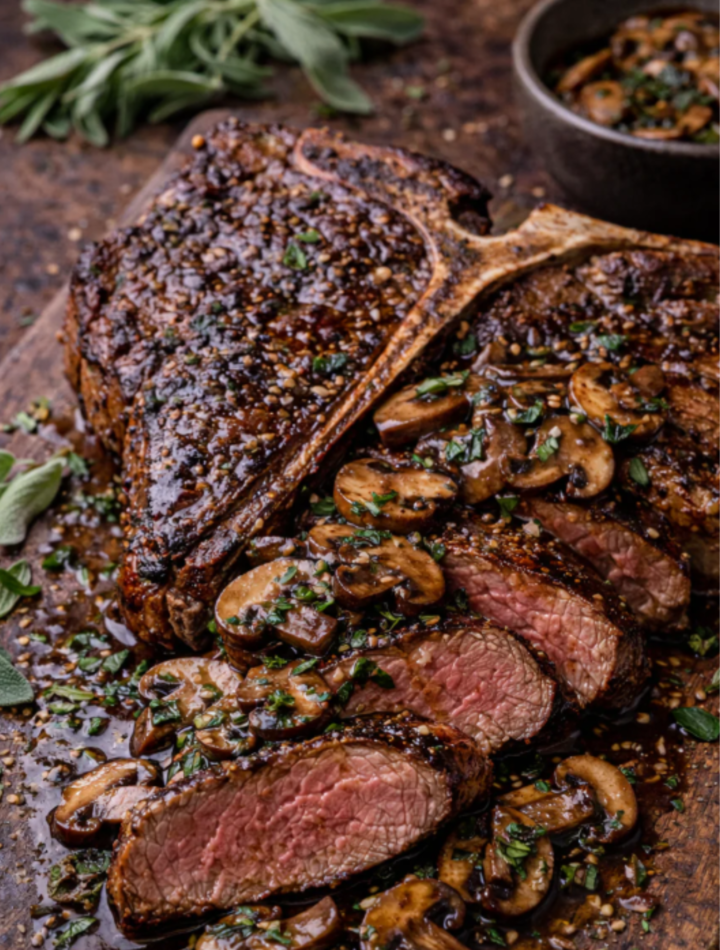
Slice the steak against the grain for maximum tenderness.
Serve immediately alongside your favorite side dishes.
Suggested Side Dishes
Roasted Garlic Potatoes
Crispy roasted potatoes complement the steak’s rich flavor and provide a satisfying contrast in texture.
Grilled Asparagus
The slight bitterness of asparagus balances the richness of the beef and butter.
Creamed Spinach
A classic steakhouse side, creamed spinach adds luxurious texture and flavor.
Fresh Salad
A simple salad with vinaigrette provides brightness and freshness that help balance the meal.
Tips for Steakhouse-Quality Results
Use High Heat
A properly heated skillet creates the crust that distinguishes an exceptional steak from an average one.
Dry the Surface Thoroughly
Moisture prevents browning. Patting the steak dry is one of the easiest ways to improve results.
Avoid Overcrowding
Cook only a few steaks at a time. Crowding lowers the pan temperature and causes steaming rather than searing.
Trust the Thermometer
Visual cues alone can be misleading. A thermometer ensures precise results every time.
Let It Rest
Patience during the resting period rewards you with a juicier, more flavorful steak.
Variations
Peppercorn Shell Steak
Coat the steak with crushed black peppercorns before searing for a classic steakhouse flavor.
Garlic Butter Shell Steak
Increase the garlic and finish with extra garlic-infused butter.
Blue Cheese Shell Steak
Top the finished steak with crumbled blue cheese for a rich and tangy finish.
Mushroom Shell Steak
Serve with sautéed mushrooms cooked in butter and shallots for a hearty accompaniment.
Conclusion
The perfect shell steak is a celebration of simplicity. With a quality cut of beef, proper seasoning, a blazing-hot skillet, and careful attention to temperature, you can create a steak that rivals those served in the finest steakhouses. The combination of a deeply caramelized crust, tender interior, fragrant herb butter, and rich beef flavor makes this dish unforgettable.
Whether served for a family dinner, a special occasion, or a weekend indulgence, this perfect shell steak recipe delivers restaurant-quality results every time. Enjoy every juicy, flavorful bite.