Caramelized Onion Pasta Recipe
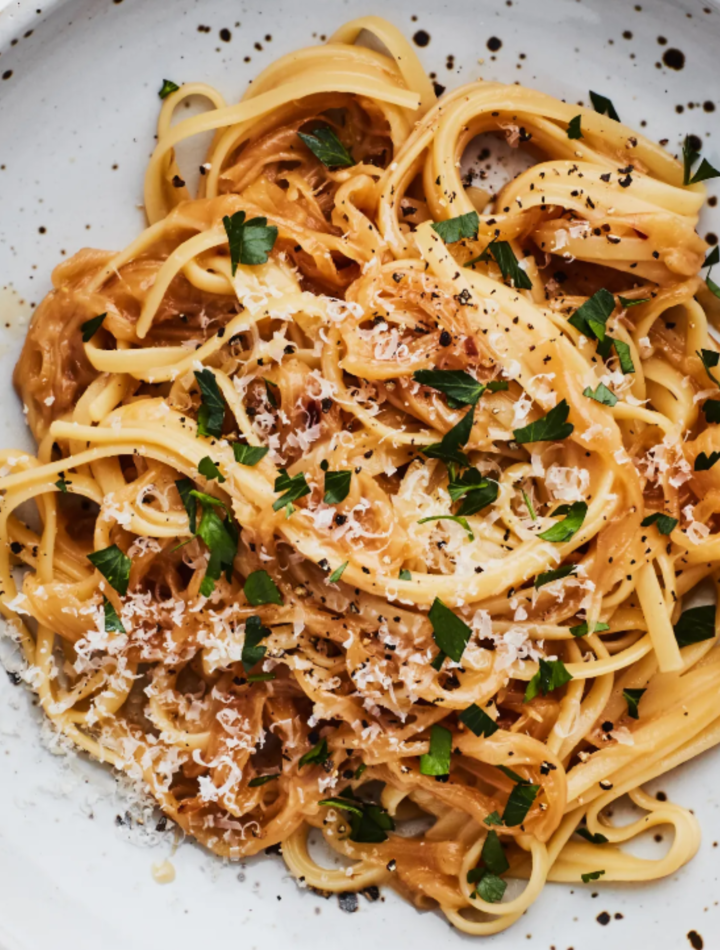
Caramelized Onion Pasta is one of those beautifully simple dishes that transforms humble ingredients into something deeply rich, comforting, and unforgettable. Slow-cooked onions become sweet, golden, and jam-like, coating every strand of pasta with silky flavor. Combined with garlic, butter, Parmesan cheese, and herbs, this pasta tastes luxurious despite using pantry staples.
The magic of this dish comes from patience. Properly caramelized onions are cooked slowly over gentle heat until their natural sugars develop into a deep golden sweetness. The result is a savory-sweet pasta with incredible depth and aroma. It is elegant enough for guests yet cozy enough for a quiet evening meal.
This recipe serves 4 people and takes about 50 minutes to prepare, most of which is hands-off cooking time for the onions.
Ingredients
For the Pasta
- 12 ounces pasta (spaghetti, linguine, fettuccine, or rigatoni)
- Salt, for pasta water
For the Caramelized Onions
- 4 large yellow onions, thinly sliced
- 3 tablespoons olive oil
- 2 tablespoons butter
- 1 teaspoon salt
- ½ teaspoon black pepper
- 1 teaspoon sugar (optional, helps caramelization)
For the Sauce
- 4 cloves garlic, minced
- ½ teaspoon red pepper flakes (optional)
- ½ cup reserved pasta water
- ½ cup grated Parmesan cheese
- 2 tablespoons cream or mascarpone (optional)
- 1 teaspoon fresh thyme leaves
- Fresh parsley, chopped
Optional Toppings
- Extra Parmesan cheese
- Crispy breadcrumbs
- Burrata cheese
- Cracked black pepper
What Makes Caramelized Onion Pasta Special?
Unlike tomato-based or cream-heavy pasta dishes, caramelized onion pasta relies on the natural sweetness of onions for flavor. As onions cook slowly, they soften and turn golden brown while developing rich, almost buttery notes.
The onions melt into the sauce, creating a silky texture that coats the pasta beautifully. Garlic, Parmesan, and herbs add balance while keeping the onions as the star ingredient.
This dish is especially perfect during cooler months because it feels warm and comforting without being overly heavy.
Choosing the Right Onions
Yellow onions are the best choice for this recipe because they become sweet and flavorful when caramelized. White onions work too, but yellow onions offer the best balance of sweetness and savory depth.
Red onions can also be used for a slightly sweeter and more colorful version.
The key is slicing the onions evenly so they cook at the same rate.
Step 1: Caramelizing the Onions
Caramelizing onions is the heart of this recipe. While it takes time, the process itself is simple.
Heat the olive oil and butter in a large skillet over medium heat.
Add the sliced onions along with the salt and pepper. Stir well so every slice is coated in the butter and oil.
At first, the onions will look large and overwhelming, but they shrink dramatically as they cook.
Cook the onions slowly for about 35 to 40 minutes, stirring every few minutes.
During cooking, the onions will go through several stages:
- Softening
- Releasing moisture
- Turning translucent
- Becoming golden
- Deepening into rich caramel brown
If the onions start sticking too much, add a splash of water to loosen the flavorful browned bits from the pan.
Optional: Add a teaspoon of sugar halfway through cooking to help intensify the caramelization.
The finished onions should be soft, golden brown, sweet-smelling, and almost jam-like.
Step 2: Cooking the Pasta
While the onions finish caramelizing, bring a large pot of salted water to a boil.
Cook the pasta until al dente according to package instructions.
Before draining, reserve about ½ cup of pasta water. This starchy water helps bind the sauce later.
Drain the pasta but do not rinse it.
Hot pasta absorbs sauce more effectively, so timing matters.
Step 3: Building the Sauce
Once the onions are fully caramelized, reduce the heat slightly and add the garlic and red pepper flakes.
Cook for about 1 minute until fragrant.
Add the thyme and stir well.
Pour in a splash of reserved pasta water to loosen the onions and create a silky sauce base.
If you prefer a creamier pasta, stir in the cream or mascarpone cheese at this stage.
The sauce should look glossy and rich rather than dry.
Step 4: Combining Everything
Add the cooked pasta directly into the skillet with the onions.
Toss everything together thoroughly so the onions coat every strand or piece of pasta.
Gradually add Parmesan cheese while tossing continuously.
If the sauce feels too thick, add more pasta water a little at a time until the texture becomes silky and smooth.
Taste and adjust seasoning with extra salt and black pepper if needed.
The final texture should be creamy without relying heavily on cream.
Serving the Pasta
Serve immediately while hot.
Top with:
- Fresh parsley
- Extra Parmesan
- Cracked black pepper
- Crispy breadcrumbs for texture
For a more indulgent version, place burrata cheese on top and let it melt slightly into the warm pasta.
This dish pairs beautifully with:
- Garlic bread
- Roasted vegetables
- Green salad
- Grilled chicken
- Roasted mushrooms
Why Slow Cooking Matters
The secret to exceptional caramelized onion pasta is patience.
If onions cook too quickly, they burn before developing sweetness. Slow cooking allows their natural sugars to emerge gradually, creating rich flavor complexity.
Proper caramelization transforms onions from sharp and pungent into soft, sweet, savory perfection.
This slow transformation is what gives the pasta its luxurious taste.
Tips for the Best Caramelized Onion Pasta
1. Use a Wide Pan
A large skillet helps onions cook evenly and prevents steaming.
2. Stir Regularly
Frequent stirring prevents burning while encouraging even browning.
3. Don’t Rush
Low and slow cooking produces the best flavor.
4. Salt Early
Salt helps draw moisture from the onions, aiding caramelization.
5. Save Pasta Water
Starchy pasta water creates a glossy restaurant-style sauce.
Delicious Variations
French Onion Pasta
Add Gruyère cheese and broil briefly for French onion soup flavor.
Mushroom Onion Pasta
Add sautéed mushrooms for extra umami depth.
Bacon Version
Crispy bacon adds smoky richness.
Spinach and Onion Pasta
Fresh spinach balances the sweetness of the onions.
Vegan Option
Use olive oil instead of butter and vegan Parmesan.
Storage and Reheating
Store leftovers in an airtight container in the refrigerator for up to 4 days.
To reheat:
- Warm gently in a skillet
- Add a splash of water or broth to loosen the sauce
This pasta reheats surprisingly well because the onion flavor deepens overnight.
Nutritional Benefits
While comforting, caramelized onion pasta also offers some nutritional value.
Onions contain:
- Antioxidants
- Vitamin C
- Fiber
- Anti-inflammatory compounds
Using olive oil adds healthy fats, and moderate Parmesan contributes protein and calcium.
You can also make the dish lighter by:
- Using whole wheat pasta
- Reducing butter
- Adding vegetables
Why Everyone Loves This Dish
Caramelized Onion Pasta proves that simple ingredients can create extraordinary meals. It does not rely on complicated techniques or expensive ingredients. Instead, it celebrates slow cooking and natural flavor development.
The onions become rich, sweet, savory, and buttery all at once. Combined with pasta and Parmesan, the result is comforting yet sophisticated.
It is the kind of meal that fills the kitchen with incredible aroma and makes everyone eager to sit at the table.
Whether served for a casual dinner, a romantic evening, or a comforting weekend meal, caramelized onion pasta always feels satisfying and special.
Once you try making onions this way, you may find yourself using caramelized onions in everything from sandwiches to soups to pizzas. But in pasta, they truly shine as the star ingredient.