Sweet and Crumbly Scottish Tablet
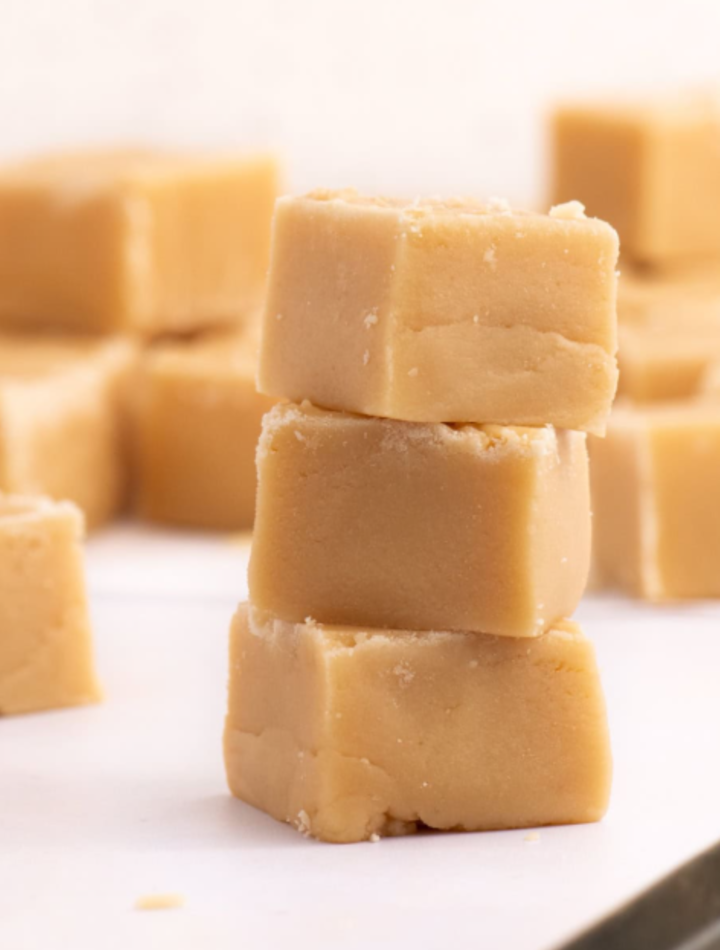
Scottish Tablet is a beloved traditional confection from Scotland, famous for its rich buttery flavor, sweet caramelized notes, and distinctive crumbly texture. Unlike fudge, which is soft and creamy, tablet has a firmer, grainier consistency that melts beautifully in the mouth. Made from simple pantry ingredients such as sugar, butter, condensed milk, and milk, this classic treat has been enjoyed for generations at family gatherings, holidays, weddings, and special occasions.
This recipe will guide you through creating authentic Scottish Tablet at home. While it requires a little patience and attention, the reward is a delicious batch of sweet, crumbly candy that captures the essence of Scottish home baking.
What Makes Scottish Tablet Unique?
The key difference between tablet and fudge lies in the texture. Tablet is intentionally cooked to a higher temperature, allowing sugar crystals to form as the mixture cools. These tiny crystals create the characteristic crumbly texture that makes tablet so distinctive.
Traditional Scottish tablet recipes often called for just sugar, butter, and milk, but modern versions frequently use condensed milk to make the process easier and produce a richer flavor.
Ingredients
Makes approximately 40 pieces
- 4 cups (800 g) granulated sugar
- 1 cup (240 ml) whole milk
- 1 can (397 g) sweetened condensed milk
- 4 tablespoons (60 g) unsalted butter
- 1 teaspoon vanilla extract
- Pinch of salt
Equipment Needed
- Large heavy-bottomed saucepan
- Wooden spoon
- Candy thermometer
- 8-inch square baking pan
- Parchment paper
- Heatproof spatula
Preparing the Pan
Before beginning the tablet, prepare your baking pan.
- Line an 8-inch square pan with parchment paper.
- Leave some paper hanging over the edges for easy removal.
- Lightly grease the paper if desired.
Having the pan ready is important because once the tablet reaches the correct stage, you’ll need to work quickly.
Step 1: Combine the Ingredients
In a large heavy-bottomed saucepan, combine:
- Granulated sugar
- Whole milk
- Sweetened condensed milk
- Butter
- Pinch of salt
Place the pan over medium heat.
Stir gently and continuously until the butter melts completely and the sugar dissolves. Avoid rushing this stage, as undissolved sugar crystals can affect the final texture.
The mixture should become smooth and glossy before it begins to boil.
Step 2: Bring to a Boil
Once the sugar has dissolved, increase the heat slightly and bring the mixture to a steady boil.
As the mixture heats, it will begin to foam and rise. Continue stirring regularly to prevent sticking or scorching on the bottom of the pan.
Be careful during this stage because boiling sugar becomes extremely hot.
The mixture will gradually deepen in color, developing a pale golden hue and a delicious caramel aroma.
Step 3: Cook to the Soft-Ball Stage
Attach a candy thermometer to the side of the pan.
Continue cooking until the temperature reaches approximately 240°F (115°C), known as the soft-ball stage.
This process typically takes 15–20 minutes, depending on your stove and pan.
If you do not have a thermometer, you can test the mixture by dropping a small amount into cold water. It should form a soft ball that can be picked up with your fingers.
Reaching the correct temperature is one of the most important factors in making successful tablet.
Step 4: Remove from Heat
Once the mixture reaches 240°F (115°C), remove the saucepan from the heat.
Stir in the vanilla extract.
Allow the mixture to cool undisturbed for about 5 minutes. During this brief cooling period, the temperature will begin to drop slightly, preparing the mixture for the next crucial step.
Avoid stirring too much during this stage.
Step 5: Beat the Tablet
Now comes the stage that gives tablet its signature crumbly texture.
Using a wooden spoon, begin beating the mixture vigorously.
Continue stirring and beating steadily.
At first, the mixture will appear smooth, glossy, and fluid.
After several minutes, you will notice changes:
- The shine begins to disappear.
- The mixture becomes thicker.
- The color turns lighter.
- Small sugar crystals begin forming.
This process can take anywhere from 5 to 15 minutes depending on the batch.
Do not stop too early. Proper beating creates the classic texture that Scottish tablet is known for.
However, do not wait too long either, as the mixture may become too stiff to pour.
Step 6: Pour into the Pan
Once the tablet becomes noticeably thicker and loses much of its glossy appearance, immediately pour it into the prepared pan.
Use a spatula to spread the mixture evenly.
Work quickly because the tablet begins setting almost immediately.
Tap the pan gently on the countertop to remove air pockets.
Step 7: Score the Surface
Allow the tablet to cool for about 10 minutes.
When it is partially set but still soft enough to cut, use a sharp knife to score the surface into squares or rectangles.
Scoring now makes it easier to break into neat pieces later.
Traditional tablet is often cut into small squares because it is very rich and sweet.
Step 8: Cool Completely
Leave the tablet at room temperature for several hours or until fully firm.
Avoid refrigerating it, as this can alter the texture.
Once completely cooled:
- Lift it from the pan using the parchment paper.
- Break or cut along the scored lines.
- Store in an airtight container.
Tips for Perfect Scottish Tablet
Use a Heavy Pan
A thick-bottomed saucepan distributes heat evenly and reduces the risk of scorching.
Stir Carefully
Regular stirring prevents burning while ensuring even cooking.
Monitor the Temperature
A candy thermometer greatly improves consistency and accuracy.
Beat at the Right Time
The beating stage is essential. Too little beating results in soft fudge-like candy, while excessive beating can cause the mixture to harden before pouring.
Avoid Humid Conditions
Humidity can affect sugar crystallization and alter the final texture.
Flavor Variations
Chocolate Tablet
Add:
- 100 g melted dark chocolate
Stir in after removing from the heat.
Sea Salt Tablet
Sprinkle flaky sea salt over the surface before the tablet sets.
Whisky Tablet
Add:
- 1–2 tablespoons Scotch whisky
Mix in with the vanilla extract for a distinctly Scottish flavor.
Coffee Tablet
Dissolve:
- 1 tablespoon instant espresso powder
Into a small amount of warm milk before adding it to the recipe.
Nutty Tablet
Fold in:
- Toasted pecans
- Walnuts
- Almonds
Just before pouring into the pan.
Serving Suggestions
Scottish tablet is delicious served:
- With tea or coffee
- On holiday dessert trays
- As an edible gift
- At afternoon tea gatherings
- Alongside shortbread cookies
- With vanilla ice cream
Because of its rich sweetness, small portions are usually enough to satisfy.
Storage
Store tablet in an airtight container at room temperature.
It will remain fresh for up to:
- 2 weeks at room temperature
- 1 month in a cool pantry
Separate layers with parchment paper to prevent sticking.
Tablet also freezes well for up to 3 months. Thaw at room temperature before serving.
Final Thoughts
Sweet and Crumbly Scottish Tablet is one of Scotland’s most treasured homemade sweets. Its buttery richness, caramel-like flavor, and delicate melt-in-the-mouth texture make it a timeless treat that has delighted generations. Although it requires attention during cooking and beating, the ingredients are simple and the results are exceptionally rewarding. Whether prepared for a festive celebration, shared with friends, or enjoyed with a warm cup of tea, homemade Scottish Tablet offers a wonderful taste of traditional Scottish confectionery and a truly unforgettable sweet experience.