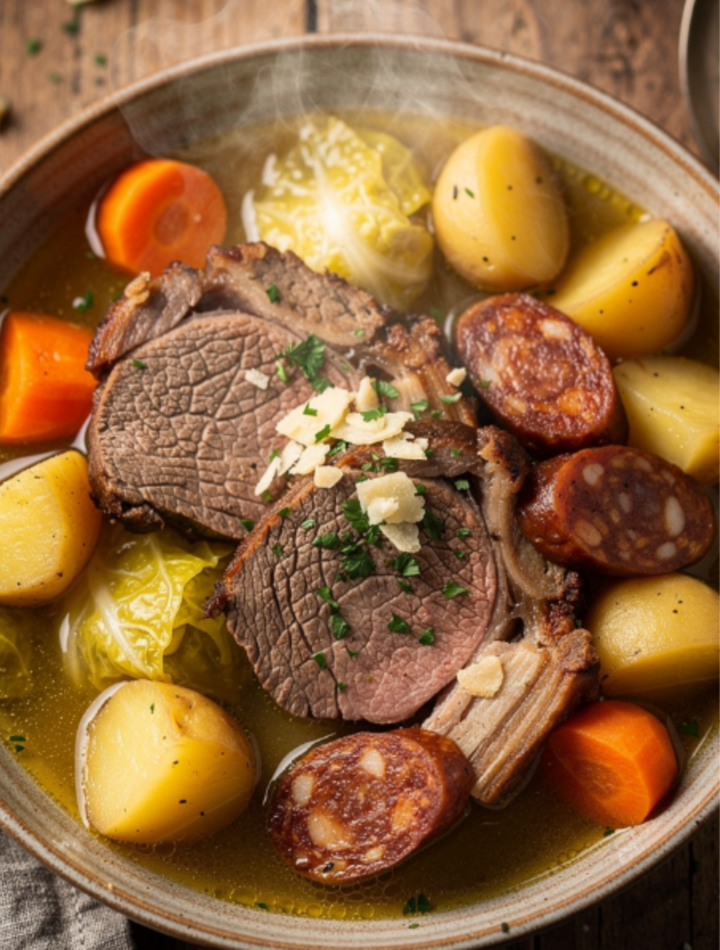
Escudella (Catalan Stew)
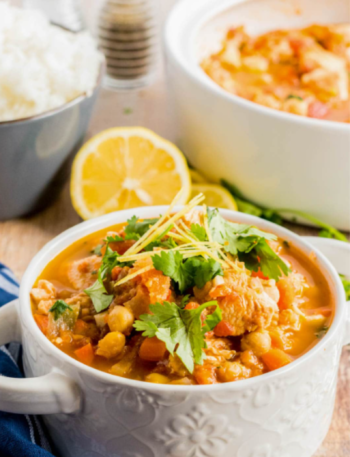
Escudella, often called Escudella i Carn d’Olla, is one of the most beloved traditional dishes of Catalonia, a region in northeastern Spain. Rich, hearty, and deeply comforting, this stew has been prepared for centuries as a centerpiece of family meals, especially during winter and holiday celebrations. Combining a flavorful broth, vegetables, legumes, pasta, and an assortment of meats, Escudella is more than a soup—it’s a complete feast served in stages.
Traditionally, the broth is served first with pasta, followed by the meats and vegetables as a separate course. The result is a meal that is both rustic and elegant, showcasing simple ingredients transformed through slow cooking into something truly special.
This recipe serves 8–10 people and follows a traditional style while remaining accessible to home cooks.
What Is Escudella?
Escudella is considered one of the oldest documented stews in Europe. The dish reflects Catalonia’s agricultural heritage, using ingredients commonly found on farms: chicken, pork, beef, vegetables, chickpeas, and pasta. One of its defining features is the pilota, a large seasoned meatball that cooks in the broth and absorbs the rich flavors of the stew.
Unlike many soups where all ingredients are served together, Escudella traditionally presents the broth separately from the cooked meats and vegetables, creating a multi-course dining experience.
Ingredients
For the Broth and Stew
- 1 pound (450 g) beef shank or beef chuck
- 1 pound (450 g) pork ribs
- 2 pork sausages
- 1 chicken thigh
- 1 chicken drumstick
- 1 ham bone
- 1 cup dried chickpeas, soaked overnight
- 3 carrots, peeled
- 2 potatoes, peeled and halved
- 1 turnip, peeled and quartered
- 1 leek, cleaned and cut into large pieces
- 1 small cabbage, cut into wedges
- 3 celery stalks
- 1 onion, peeled
- 4 quarts (4 liters) water
- Salt to taste
- Black pepper to taste
For the Pilota (Catalan Meatball)
- ½ pound (225 g) ground pork
- ½ pound (225 g) ground beef
- 1 egg
- 2 cloves garlic, minced
- ½ cup breadcrumbs
- 2 tablespoons chopped parsley
- Salt and pepper to taste
- Pinch of nutmeg
For the Soup Course
- 1 cup small pasta shells or galets pasta
- Reserved broth from the stew
Preparing the Chickpeas
The night before cooking, place the chickpeas in a large bowl and cover them generously with cold water. Allow them to soak overnight.
This step softens the chickpeas and helps them cook evenly while contributing a creamy texture to the finished stew.
Drain and rinse before using.
Making the Pilota
In a large mixing bowl, combine:
- Ground pork
- Ground beef
- Egg
- Garlic
- Breadcrumbs
- Parsley
- Salt
- Pepper
- Nutmeg
Mix gently until everything is evenly incorporated.
Form the mixture into one large oval meatball approximately 6 inches long. Traditional pilota is larger than standard meatballs and is intended to be sliced when served.
Set aside while preparing the stew.
Building the Broth
Choose a large stockpot capable of holding all ingredients comfortably.
Place the following into the pot:
- Beef
- Pork ribs
- Chicken pieces
- Ham bone
- Chickpeas
- Onion
- Celery
- Leek
Pour in the water and place over medium-high heat.
As the liquid begins to simmer, foam will rise to the surface. Skim this off with a spoon to keep the broth clear and clean-tasting.
Once boiling, reduce the heat to maintain a gentle simmer.
Slow Simmering
Allow the broth to cook for about 90 minutes.
During this time:
- The meats become tender.
- The chickpeas soften.
- The vegetables release their flavor.
- The broth develops richness and depth.
Avoid vigorous boiling, which can cloud the broth and toughen the meat.
A slow simmer is essential for achieving the authentic flavor of Escudella.
Adding Vegetables
After the initial cooking period, add:
- Carrots
- Potatoes
- Turnip
- Cabbage
Continue simmering for another 45 minutes.
The vegetables should become tender but still hold their shape.
Their natural sweetness balances the richness of the meats and enhances the complexity of the broth.
Adding the Sausages and Pilota
Carefully add:
- Pork sausages
- Prepared pilota
Simmer gently for another 30–40 minutes.
The pilota absorbs the flavors of the broth while contributing additional richness. The sausages release savory juices that further deepen the stew’s character.
Check occasionally to ensure everything remains submerged.
Seasoning the Stew
Taste the broth near the end of cooking.
Depending on the saltiness of the ham bone and sausages, you may need only a small amount of additional salt.
Add freshly ground black pepper as desired.
The broth should be flavorful but balanced, allowing each ingredient to shine.
Preparing the Soup Course
Once cooking is complete, carefully strain several cups of broth into a separate saucepan.
Bring the broth to a gentle boil.
Add:
- Small pasta shells
or - Traditional galets pasta
Cook according to package instructions until tender.
This pasta soup is traditionally served as the first course of the meal.
The rich broth combined with tender pasta creates a simple yet deeply satisfying introduction to the feast.
Serving Escudella Traditionally
Escudella is usually presented in two courses.
First Course: The Soup
Ladle the hot broth and pasta into bowls.
Serve immediately with crusty bread.
The aromatic broth showcases the essence of all the ingredients that have simmered together for hours.
Second Course: Carn d’Olla
Arrange the cooked ingredients on a large serving platter:
- Beef
- Pork ribs
- Chicken
- Sausages
- Pilota slices
- Chickpeas
- Carrots
- Potatoes
- Turnip
- Cabbage
Allow guests to serve themselves.
A drizzle of olive oil over the vegetables is a popular finishing touch.
Tips for Success
Use Quality Meats
Since the broth depends heavily on the meats, choosing good-quality cuts significantly improves the final flavor.
Simmer Slowly
Patience is crucial. Gentle cooking develops a rich broth while keeping meats tender.
Skim Regularly
Removing foam during the early stages results in a cleaner, clearer stock.
Don’t Overcook the Vegetables
Add vegetables later in the cooking process to prevent them from becoming mushy.
Let the Flavors Develop
Many Catalan families believe Escudella tastes even better the following day after the flavors have had additional time to meld.
Variations
Different regions and families prepare Escudella in slightly different ways.
Some versions include:
- Veal bones
- Black sausage
- White sausage
- Pork ear
- Pork trotters
- White beans instead of chickpeas
Holiday versions, especially those served at Christmas, are often more elaborate and include a greater variety of meats.
Storage
Store leftover broth and solids separately in airtight containers.
Refrigerate for up to 4 days.
The broth can also be frozen for up to 3 months.
When reheating, warm gently over medium heat to preserve the texture of the meats and vegetables.
Nutritional Benefits
Escudella is not only delicious but also nourishing.
It provides:
- Protein from multiple meats
- Fiber from chickpeas and vegetables
- Vitamins and minerals from root vegetables
- Collagen and nutrients from slow-cooked bones
The combination creates a balanced and satisfying meal ideal for colder months.
Final Thoughts
Escudella is much more than a stew—it is a celebration of Catalan culinary tradition, family gatherings, and slow cooking. With its fragrant broth, tender meats, hearty vegetables, creamy chickpeas, and iconic pilota, this dish embodies comfort and generosity. Whether served for a festive holiday meal or a cozy weekend dinner, Escudella brings warmth and authenticity to the table. Taking the time to prepare this traditional Catalan masterpiece rewards you with layers of flavor and a dining experience that has been cherished for generations. Enjoy every spoonful and savor a true taste of Catalonia.